
Deepfake: what it is and how not to fall for a fake video
A deepfake is a photo, video or audio clip created or altered with AI so that a person in it says or does something that never actually happened.
In plain words
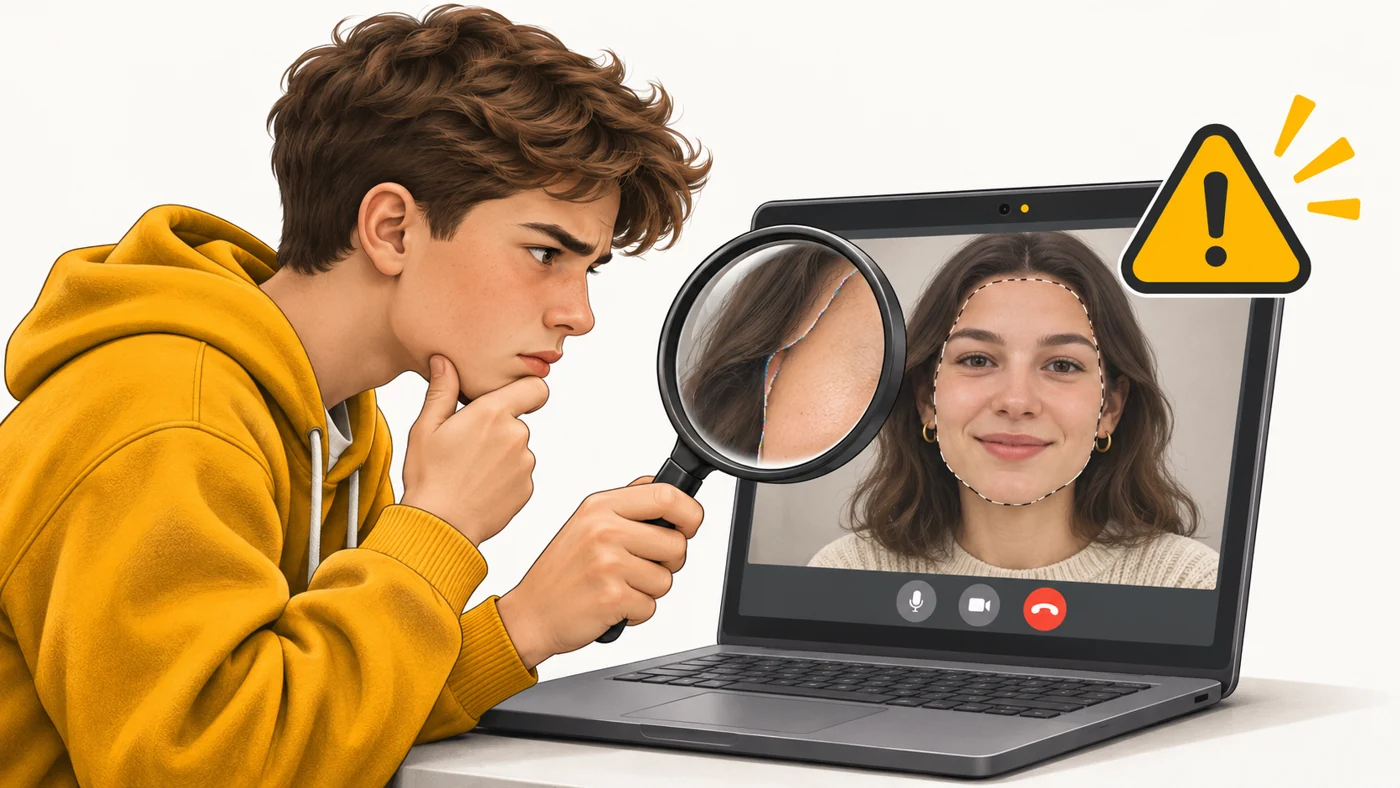
Faking a photo used to take a Photoshop expert and several days. Now AI is like a very talented impressionist who studies your face and voice in an hour and can "play" you in any scene. An impression for laughs is fine. But when the impressionist calls your grandma and asks for money, that is fraud.
How it works
- Photos, videos or voice recordings of a person are collected - sometimes a few minutes is enough.
- A neural network studies facial features, expressions, voice timbre and way of speaking.
- Then it puts those features onto another video or generates a new one.
- Modern tools can do this even in real time, during a video call.
- Quality depends on the amount of data and computing power - the best fakes are hard to spot by eye.
Where you'll see it
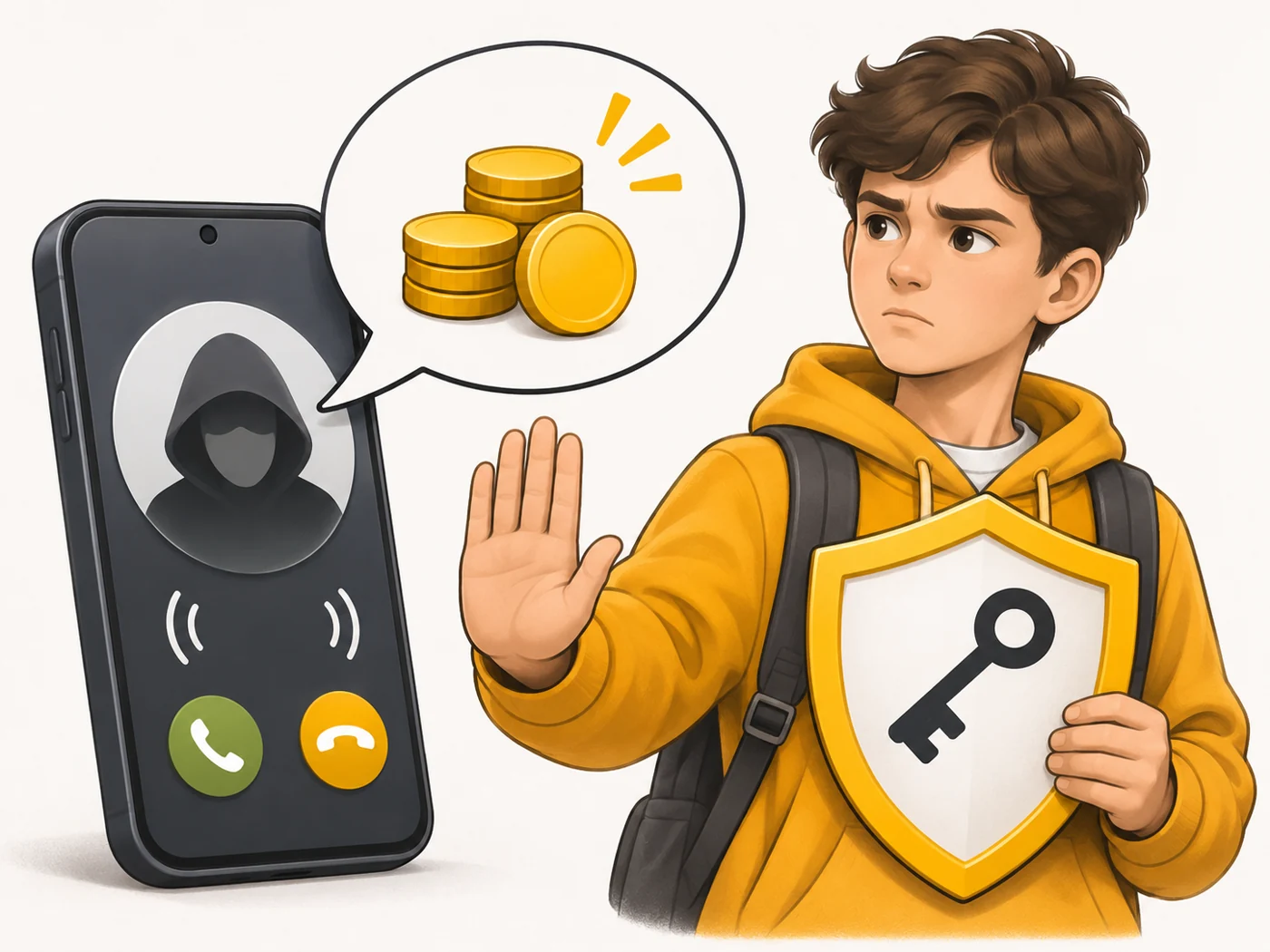
Deepfakes turn up in fake ads featuring "celebrities", scam calls "from relatives", political propaganda, memes and films. In wartime they are also a tool of information warfare - for example, fake addresses by officials.
Does it matter when buying
A lot. My safety rules: do not trust a video just because you "saw it with your own eyes"; check news in official sources; agree on a code word with your family for any "I urgently need money" situation; and do not post lots of voice recordings and videos publicly unless you need to.
Myths
- Myth: You can always tell a deepfake - the face "swims". Reality: Old ones, yes. New ones can be almost flawless.
- Myth: Deepfakes are only made of celebrities. Reality: Scammers use ordinary people too - especially their voices for calls to relatives.
FAQ
How can I spot a deepfake?
Look at blinking, teeth, the edge between face and hair, lip sync and lighting. Most importantly, check the source.
Is it legal to make deepfakes?
It depends on the purpose and the country. Fraud, defamation and intimate fakes without consent are illegal.
Are there apps that detect deepfakes?
Yes, but none gives a 100% guarantee. AI content labels help too.