
Camera ISO: how sensitivity affects noise and brightness
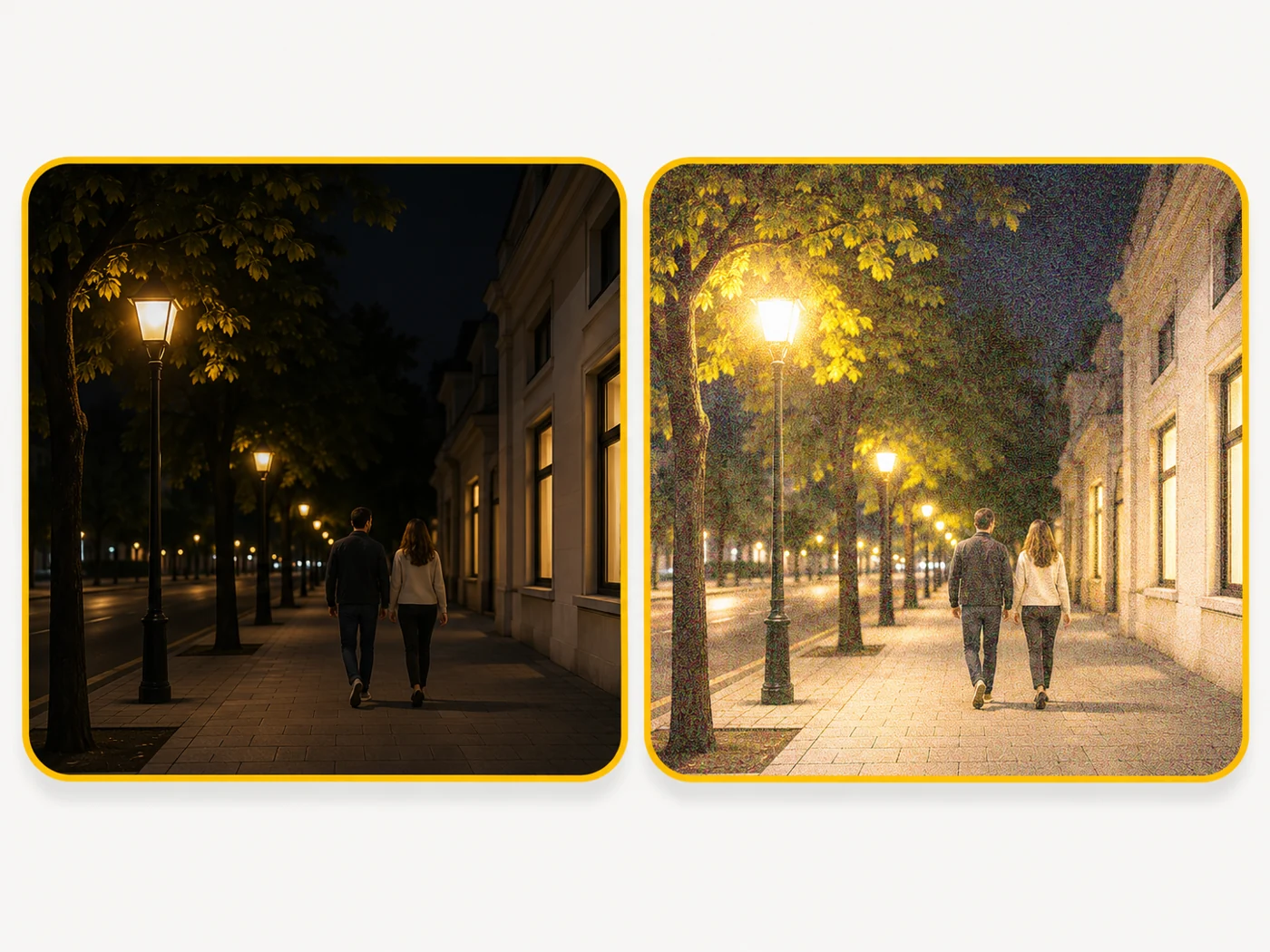
ISO (sensitivity) is a setting that determines how much the camera amplifies the sensor's signal. Low ISO (50-200) gives a clean photo in good light; high ISO (1600-6400 and above) gives a brighter photo in the dark, but with noise.
In plain words
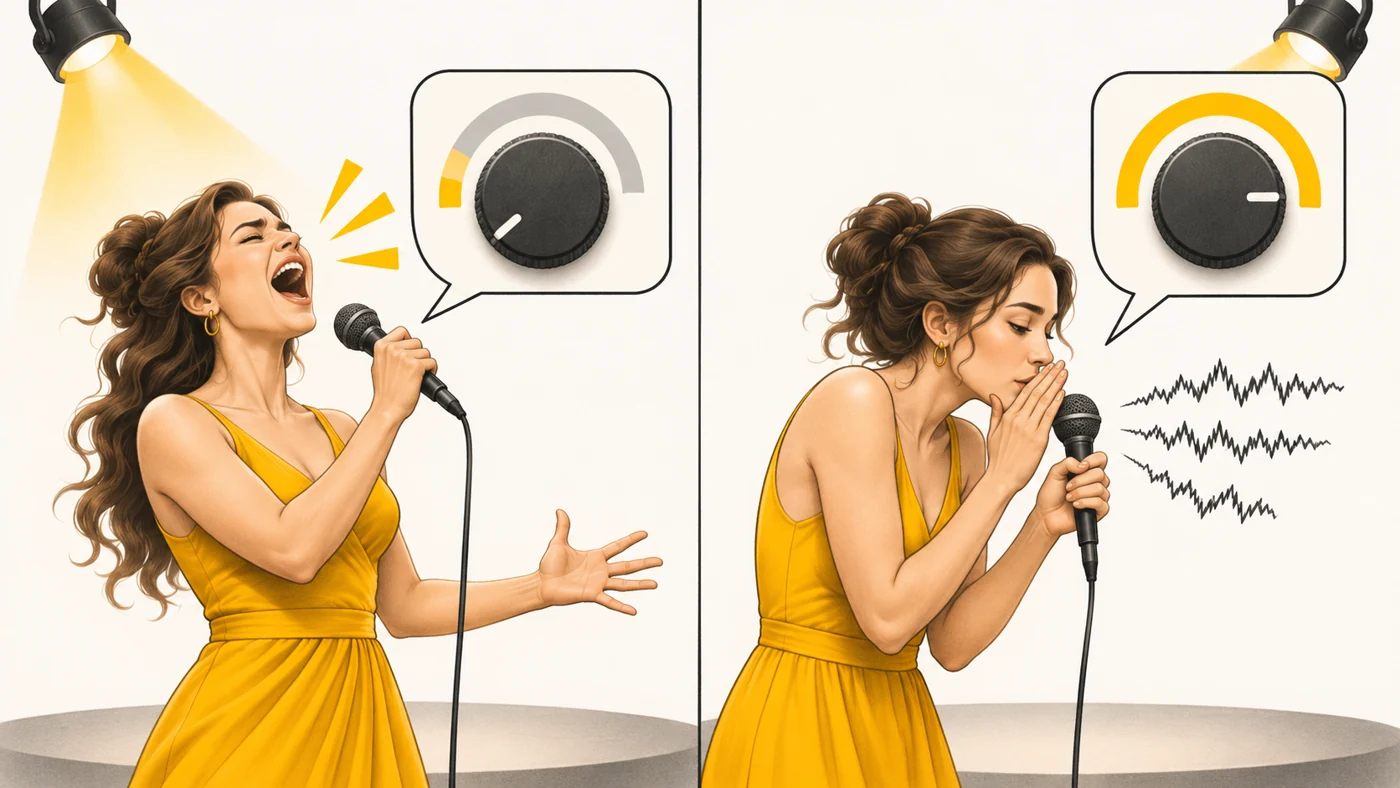
ISO is like the volume on a microphone. If the singer sings loudly (lots of light), you do not need to turn it up - the sound is clean. If the singer whispers (little light), you turn the volume to the max - you can hear them, but the hiss gets louder too. That hiss in a photo is noise.
How it works
- The sensor collects light and turns it into a signal.
- ISO amplifies that signal to the required brightness.
- The electronics' noise is amplified along with the signal.
- Shutter speed, aperture and ISO together determine exposure.
- Night mode and pixel binning reduce the need for high ISO.
Where you'll see it
In the camera's Pro mode, the ISO setting. In auto mode the phone chooses it. A photo's EXIF data records the ISO it was taken at.
Does it matter when buying
Understanding ISO helps in Pro mode: in good light keep ISO low for a clean picture; in the dark, a longer shutter speed with a tripod is better than maxing out ISO. For everyday photos, auto mode does a good job.
Myths
- Myth: High ISO is always bad. Reality: Modern sensors and noise reduction give acceptable quality even at high ISO.
- Myth: ISO makes the sensor physically more sensitive. Reality: The sensor stays the same; ISO just amplifies the signal.
FAQ
What ISO should I use in daylight?
The lowest - 50-100.
Where does noise in photos come from?
From amplifying a weak signal and from the sensor's electronics.
How do I see a photo's ISO?
In the photo details in your gallery (EXIF data).
Related terms
Shutter and shutter speed, Aperture (f-number), Night mode, Pixel binning