
USSD codes: what codes like *100# mean and how they work
USSD (Unstructured Supplementary Service Data) is a way of exchanging short messages between your phone and operator using codes such as *100# or *111#. The reply appears on screen immediately, with no SMS or internet.
In plain words
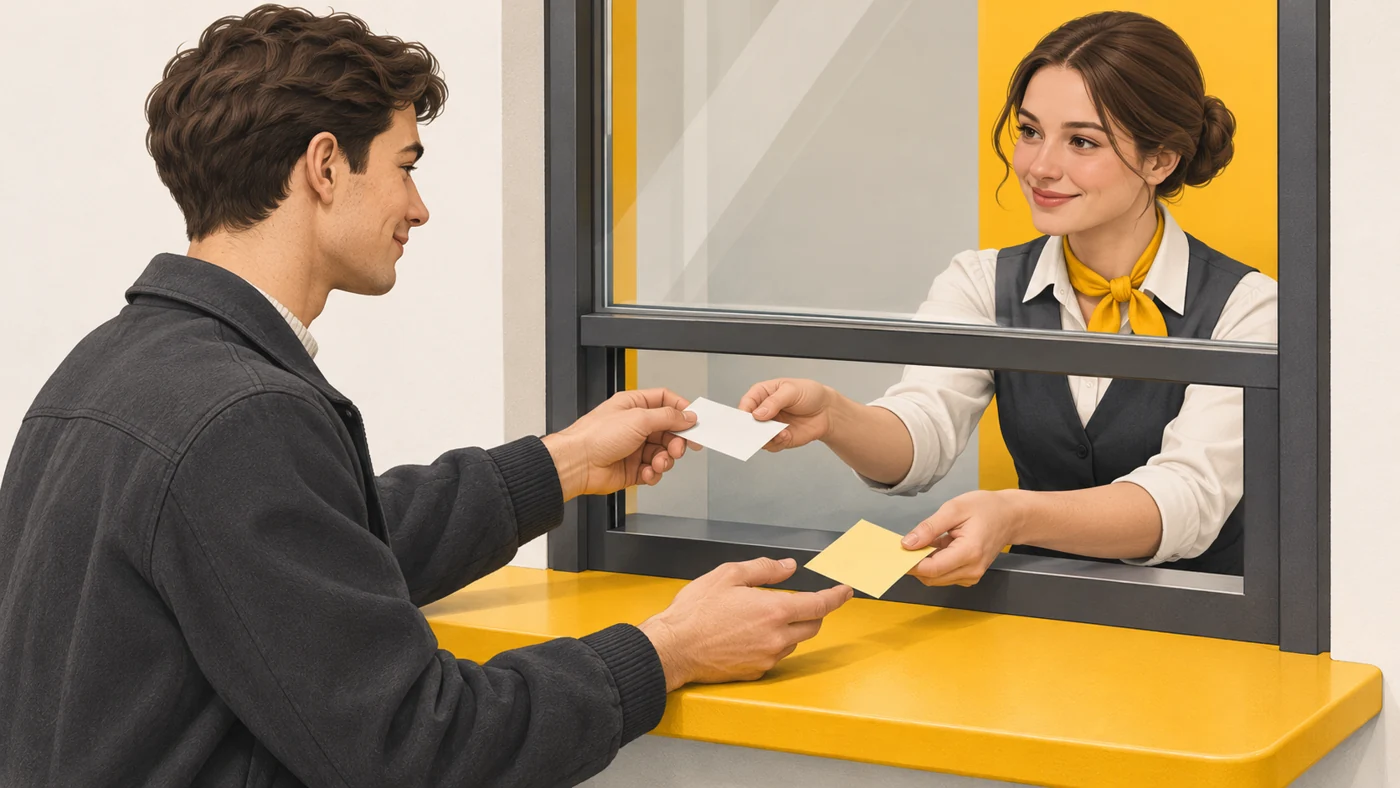
USSD is like talking to an information window through a slot: you quickly give the service number, and an answer is handed straight back to you on a slip of paper. It is not a letter that sits in your letterbox (SMS) but an instant conversation that disappears once it is over.
How it works
- You dial a code that starts with * and ends with #.
- The request goes straight to the operator's server.
- The reply appears on screen within seconds.
- You can reply with numbers and move through menus.
- Once closed, the conversation is not saved like an SMS.
Where you'll see it
Operators' codes for checking your balance, plan or number and adding bundles are on their websites. Phone service codes: *#06# shows the IMEI. Banks and services sometimes use USSD menus too.
Does it matter when buying
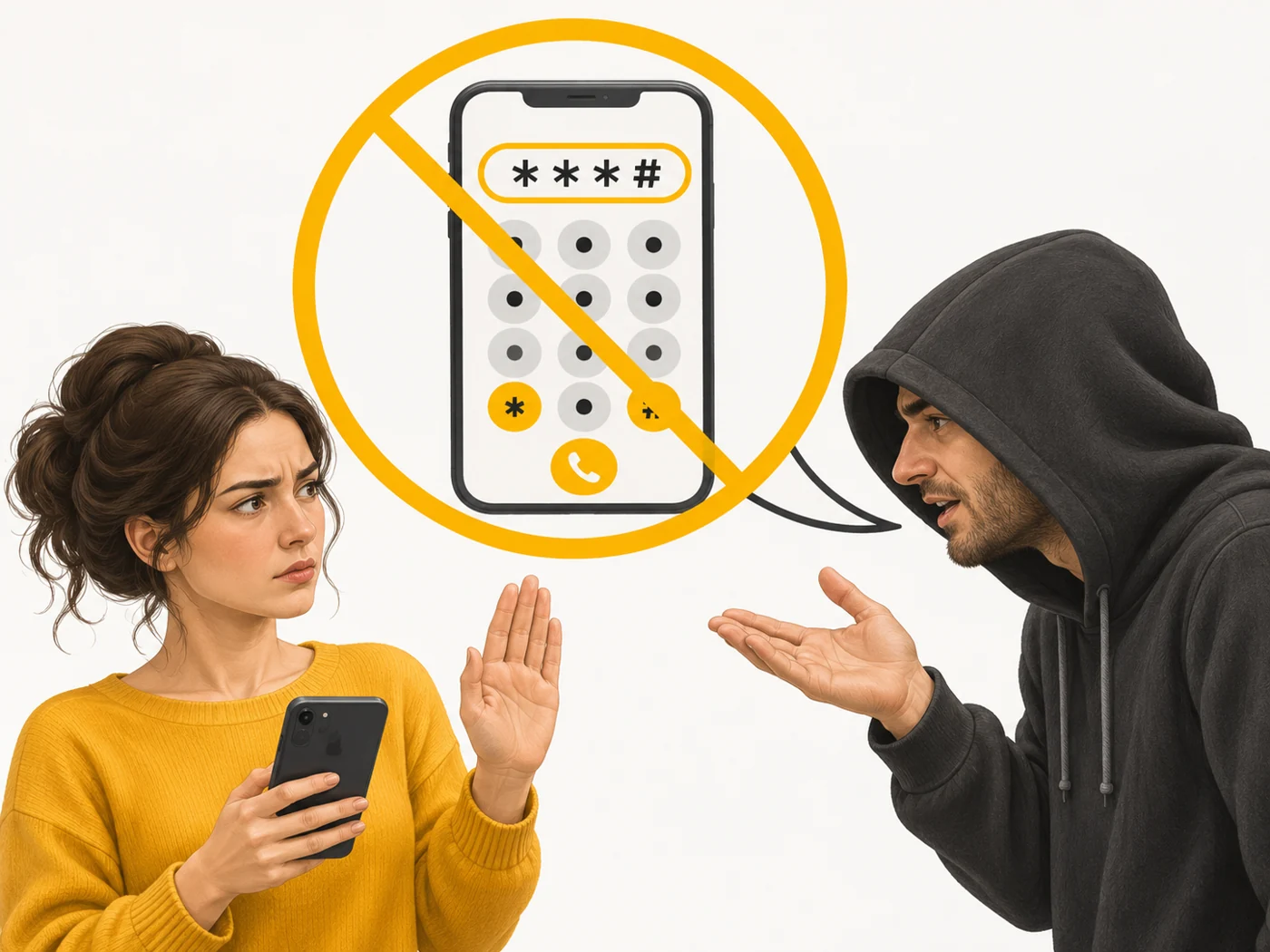
It is handy when there is no internet. But be careful: scammers ask people to dial a code that, for example, forwards your calls and texts to their number. Never dial codes that strangers read out to you.
Myths
- Myth: USSD codes are always free. Reality: Most are, but some services cost money.
- Myth: A USSD code cannot do any harm. Reality: Call-forwarding codes can hand your calls over to scammers.
FAQ
How do I check my balance?
Dial your operator's code - it is listed in their app or on their website.
How do I find my IMEI?
Dial *#06#.
How do I cancel all call forwarding?
The code ##002# works on most networks; check with your operator.