
Phone flash: when to use it and why night mode is often better
A flash is a source of short, bright light for photos in the dark. Phones use LED flashes, often dual-tone; cameras use xenon flashes, which are much more powerful. The flash also works as a torch.

In plain words
A flash is like switching on a floodlight in a room for an instant: it gets bright, but the direct blast of light makes faces flat and the background black, like a passport photo. Night mode is like letting your eyes adjust to the dark: the light is more natural and the atmosphere stays.
How it works
- An LED (or two of different tones) fires at the moment of the shot.
- The system adjusts brightness and colour to the lighting.
- A pre-flash helps measure exposure and reduce "red eye".
- Flash light fades with distance - faraway subjects stay dark.
- Xenon flashes in cameras are much more powerful than LEDs.
Where you'll see it
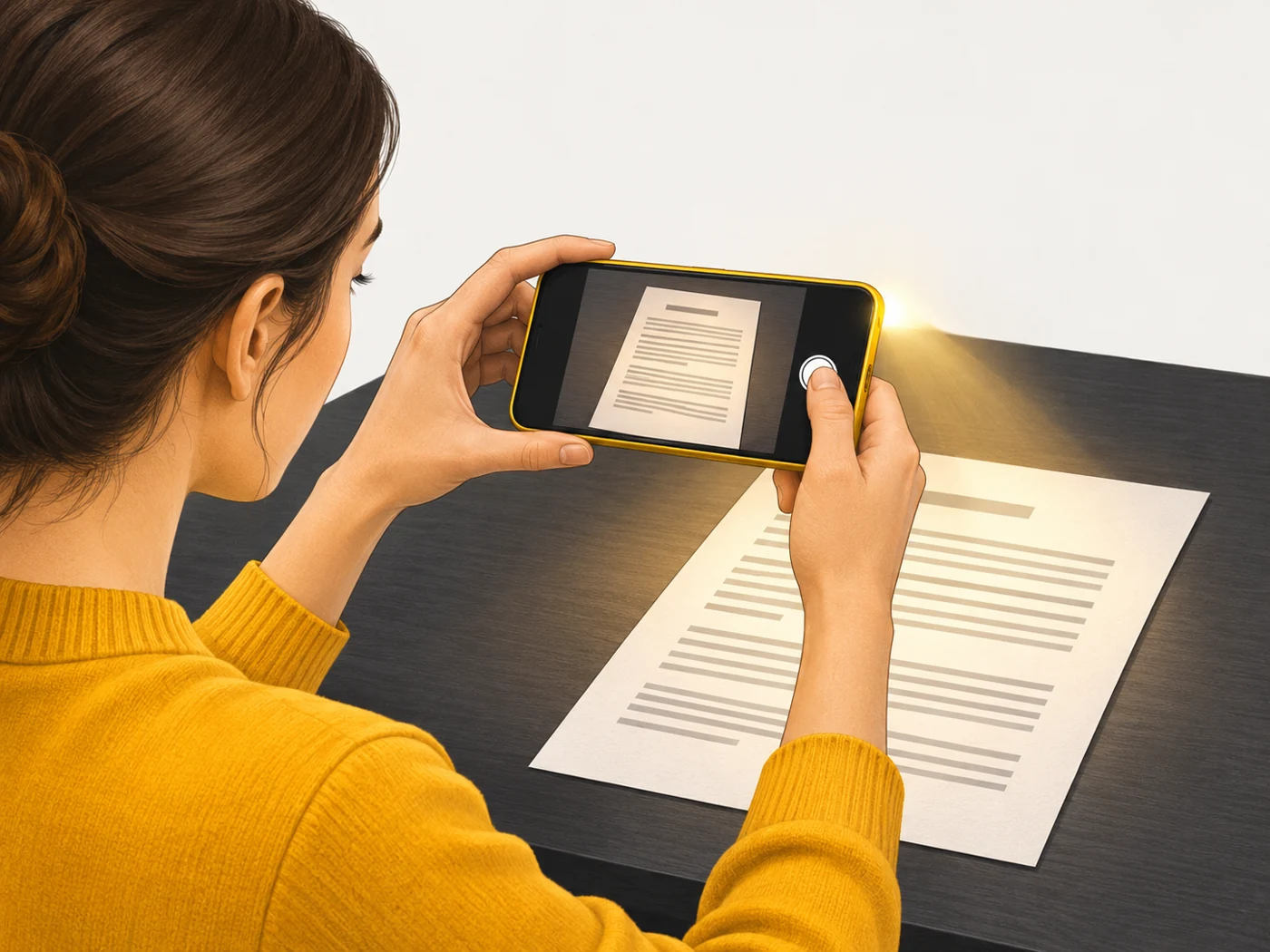
Next to the main cameras on every phone; some front cameras have a selfie flash or use the screen as one. In the camera app the modes are Auto, On, Off and Torch.
Does it matter when buying
Flash is useful for photographing documents in the dark, close-up objects and when night mode cannot keep up (motion). For people and atmosphere I try night mode first. And remember: flash is often banned in museums and at concerts.
Myths
- Myth: Flash always improves night photos. Reality: It often makes the picture flat with a black background.
- Myth: A phone flash lights a scene 20 metres away. Reality: It reaches only a few metres.
FAQ
What is a dual-tone flash?
Two LEDs, warm and cool, for more natural colours.
Why does "red eye" happen?
Light reflects off the retina; a pre-flash helps.
What is a screen flash for selfies?
The screen lights up bright white as you take the shot.