
AI hallucinations: why a chatbot confidently makes things up
AI hallucinations are cases where a neural network confidently states something false: invented facts, books that don't exist, wrong numbers or links to pages that aren't there.
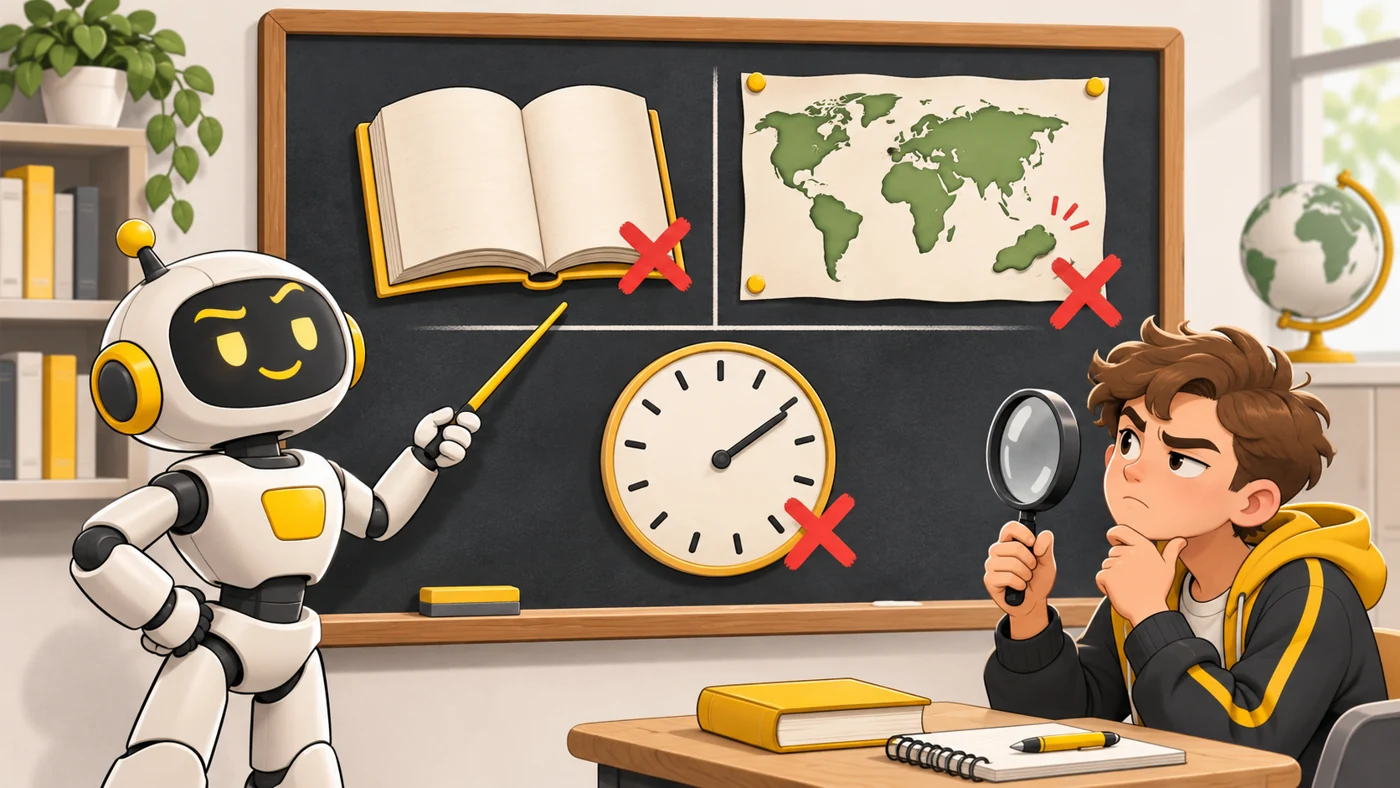
In plain words
Think of a student who didn't learn the chapter but talks smoothly and confidently at the board to avoid a bad mark. It sounds convincing, but it's made up. A language model behaves similarly: it was trained to answer nicely and coherently, not to say "I don't know".
How it works
- The model generates text by guessing the most likely next words.
- If it lacks precise data, it still composes a plausible answer.
- This happens especially often with rare facts, exact numbers, dates and quotes.
- The model doesn't "lie" on purpose - it simply can't tell knowledge from a plausible invention.
- The more specific and unusual the question, the higher the risk.
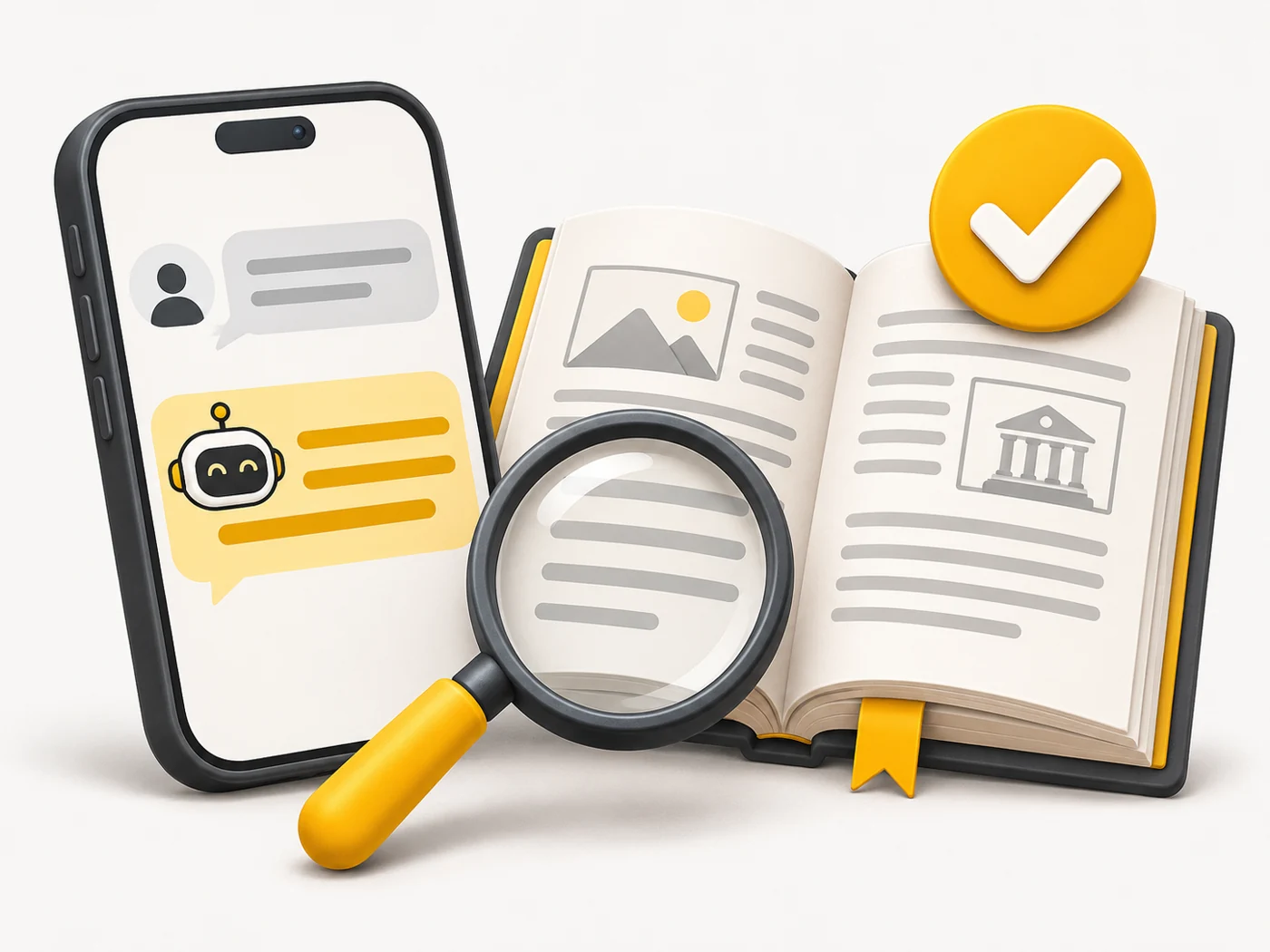
Where you'll see it
All chatbots and AI assistants hallucinate sometimes. It's easiest to spot when you ask for links, sources, the specs of a particular gadget or the biography of a little-known person.
Does it matter when buying
A lot. If you use AI for school or work, a made-up number in your essay or report is your responsibility, not the bot's. I suggest three simple rules: ask for sources and open them; ask the same thing in different words; check important facts on official websites. Services with web search make fewer mistakes, but still make them.
Myths
- Myth: New models no longer hallucinate. Reality: They make mistakes less often, but the problem isn't fully solved.
- Myth: If the bot gave a link, it must be true. Reality: Links can be made up too. Open them and check.
FAQ
How can I reduce hallucinations?
Give the model exact data in your request, ask it to answer only from that data and to say "I don't know" if the information is missing.
Do image generators hallucinate?
In a broad sense, yes: extra fingers, nonexistent text, wrong logos.
What is RAG and does it help?
It's when the model first searches documents or the internet and then answers. It makes fewer mistakes.
Related terms
Large Language Model, Chatbot, Retrieval-augmented generation, Prompt, Deepfake