
Carrier aggregation: how a phone combines frequencies for faster internet
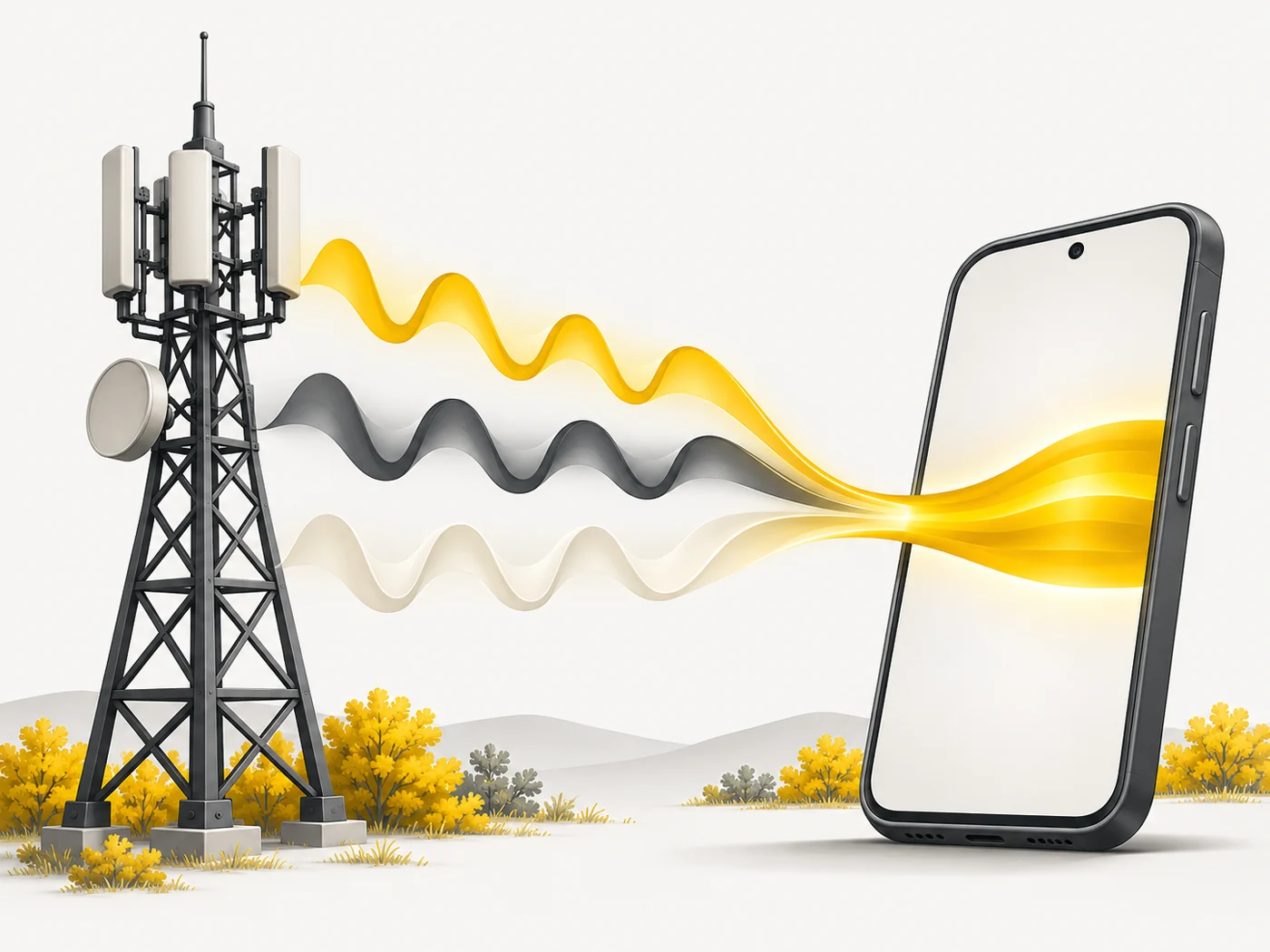
Carrier aggregation (CA) is a 4G (LTE-Advanced) and 5G technology that lets a phone receive data on several frequency bands at the same time and add up their speeds.
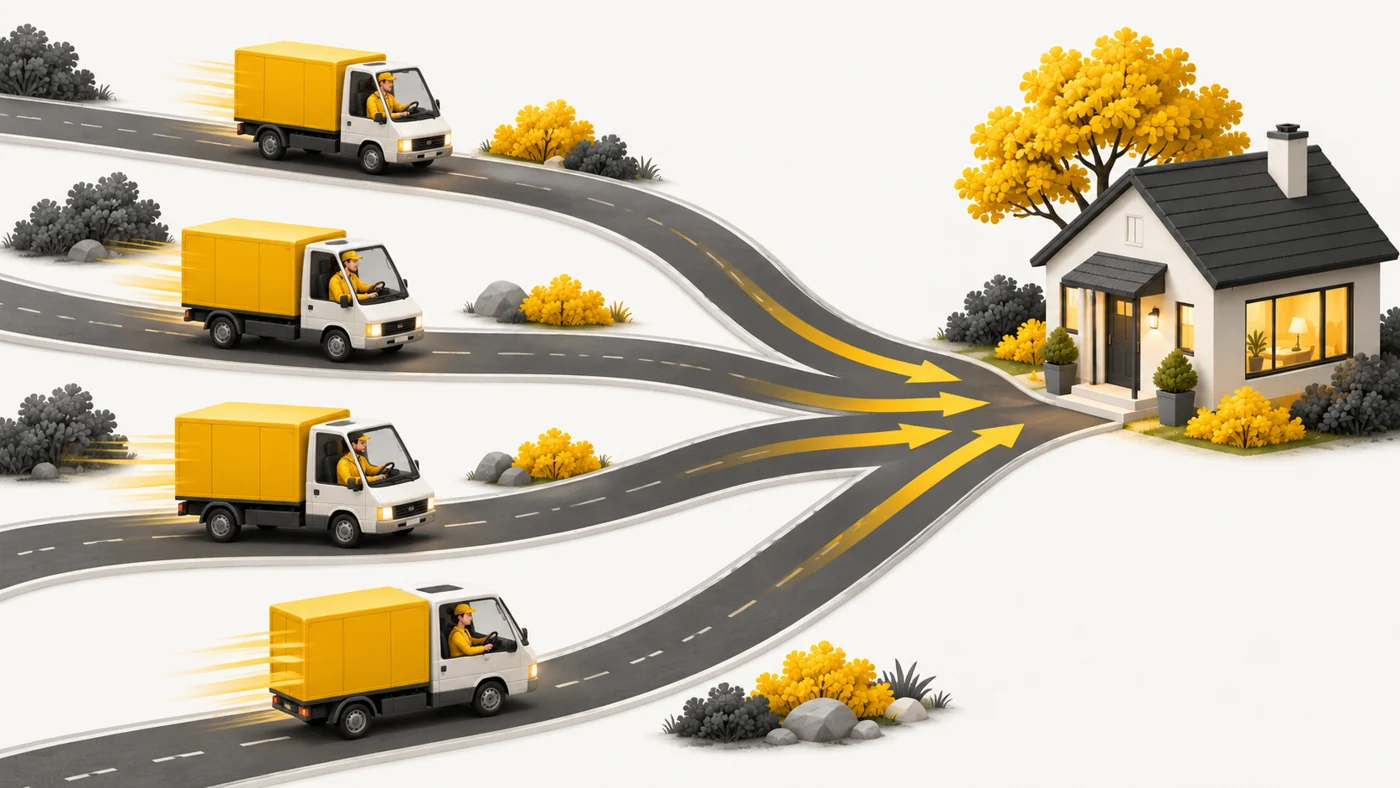
In plain words
Imagine you need to move a lot of stuff and have several narrow roads to your house. You can use one road at a time, or send vans down all of them at once and move three times faster. Carrier aggregation is "several roads at once" for mobile data.
How it works
- The operator has several frequency bands - "carriers".
- The phone connects to a primary carrier.
- If supported, the network adds one or more secondary carriers.
- Data flows in parallel, and the speeds add up.
- Band combinations must be supported by both the phone and the network.
Where you'll see it
In smartphone specs: "LTE Cat. 18", "LTE-A", "4CA", "5G CA". Also in 4G routers and modems. In practice you see it as fast mobile internet in cities where the operator has deployed several bands.
Does it matter when buying
For most people it is not a key spec: modern mid-range and higher phones already support aggregation. It matters more when choosing a 4G router for a country house or office: the LTE category and CA support affect the top speed.
Myths
- Myth: With aggregation you always get maximum speed. Reality: Speed depends on tower load, signal and your plan.
- Myth: Aggregation is a 5G-only feature. Reality: It first appeared in LTE-Advanced.
FAQ
What do LTE Cat. 6 and Cat. 12 mean?
Modem categories that indicate maximum capabilities, including aggregation.
Can I turn on aggregation manually?
No, the phone and network handle it automatically.
Do operators support carrier aggregation?
Most do in cities, but it depends on the area and bands.