
DSP: the processor for sound, sensors and connectivity
A DSP (digital signal processor) is a specialised processor for fast processing of signal streams: sound, radio, sensor data and images. In phones the DSP is part of the system-on-a-chip.
In plain words
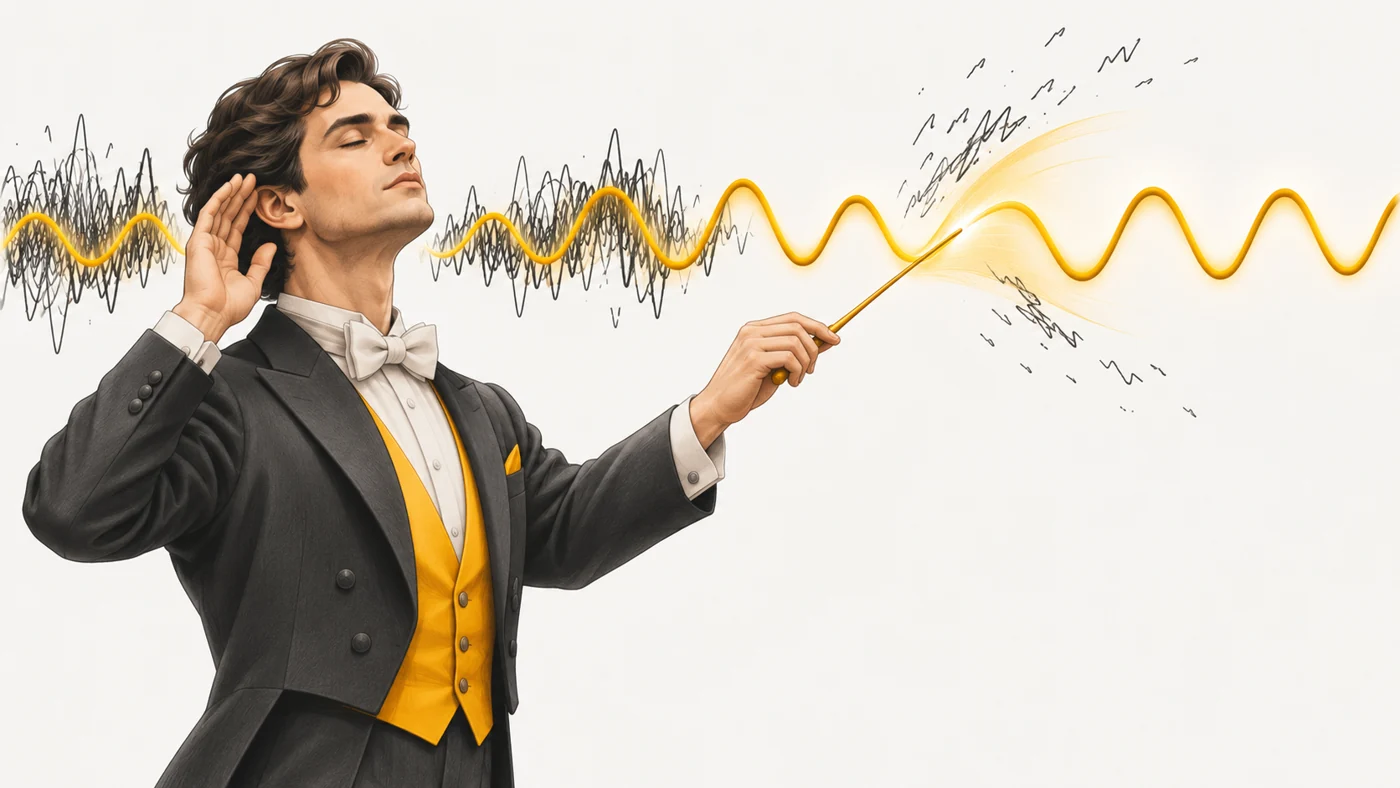
An ordinary processor is a jack of all trades. A DSP is like a conductor who does one thing brilliantly: it constantly "listens" to a stream of sound or signal and processes it in real time. And it does so very efficiently, so it can run all the time.
How it works
- A signal (sound from the microphone, sensor data) arrives as a stream.
- The DSP filters, amplifies or compresses it in real time.
- It is optimised for repetitive mathematical operations.
- It uses little power, so it is suited to running constantly.
- The result is passed to other parts of the chip or to apps.
Where you'll see it
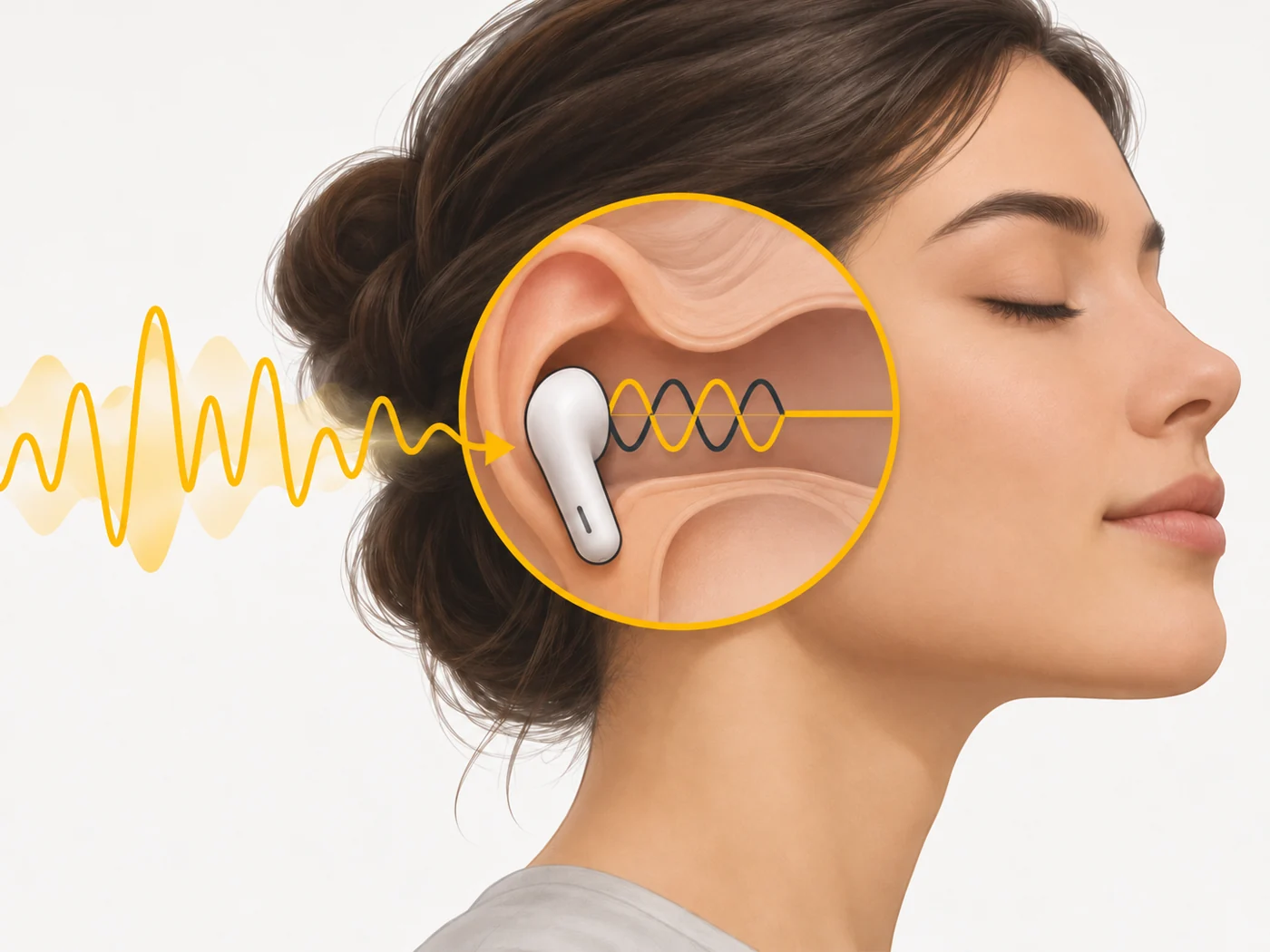
In phones (Qualcomm's Hexagon DSP), noise-cancelling earbuds, audio systems, cars, modems and hearing aids. The DSP and NPU often work together.
Does it matter when buying
You do not choose a DSP separately, but you see its work: noise cancellation on calls, "Hey Google" without draining the battery, good sound in earbuds and a step counter running in the background.
Myths
- Myth: A DSP is the same as a sound card. Reality: Sound is just one of a DSP's jobs.
- Myth: A DSP and an NPU are the same. Reality: An NPU specialises in neural networks; a DSP in signal processing.
FAQ
Why do earbuds have a DSP?
For noise cancellation, EQ and call processing.
Does every phone have a DSP?
Yes, as part of the chip.
What is an "always-on" DSP?
A block that constantly and efficiently listens to the microphone or sensors.
Related terms
System on a Chip (SoC), Neural Processing Unit (NPU), Voice assistant, Bluetooth codecs (AAC, aptX, LDAC)