
eSIM: how a built-in SIM works and how to switch to it
An eSIM (embedded SIM) is a chip built into the device that acts as a SIM card. Instead of a plastic card, you download your operator's profile via a QR code or an app.
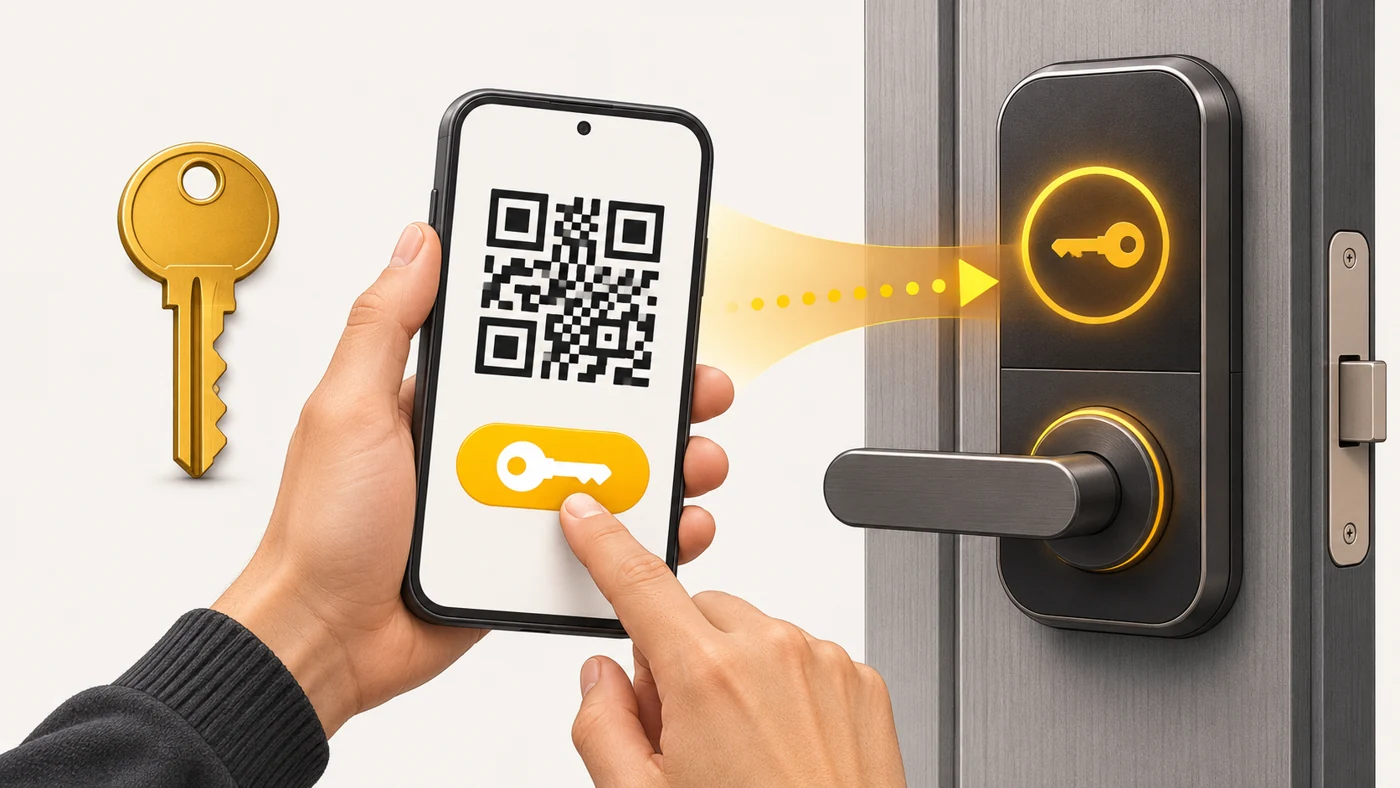
In plain words
A regular SIM is like a door key: to let someone else in, you have to hand over the physical key. An eSIM is like an electronic lock: the "key" can be sent to your phone, changed or deleted without touching the door. And you can hold several "keys" for different flats and switch between them.
How it works
- The phone has a built-in eUICC chip that can store operator profiles.
- The operator provides a QR code or activation through an app.
- The phone downloads the profile and the mobile network appears.
- One device can store several profiles, with one or two active.
- When you change phones, the profile is transferred or a new one is issued by the operator.
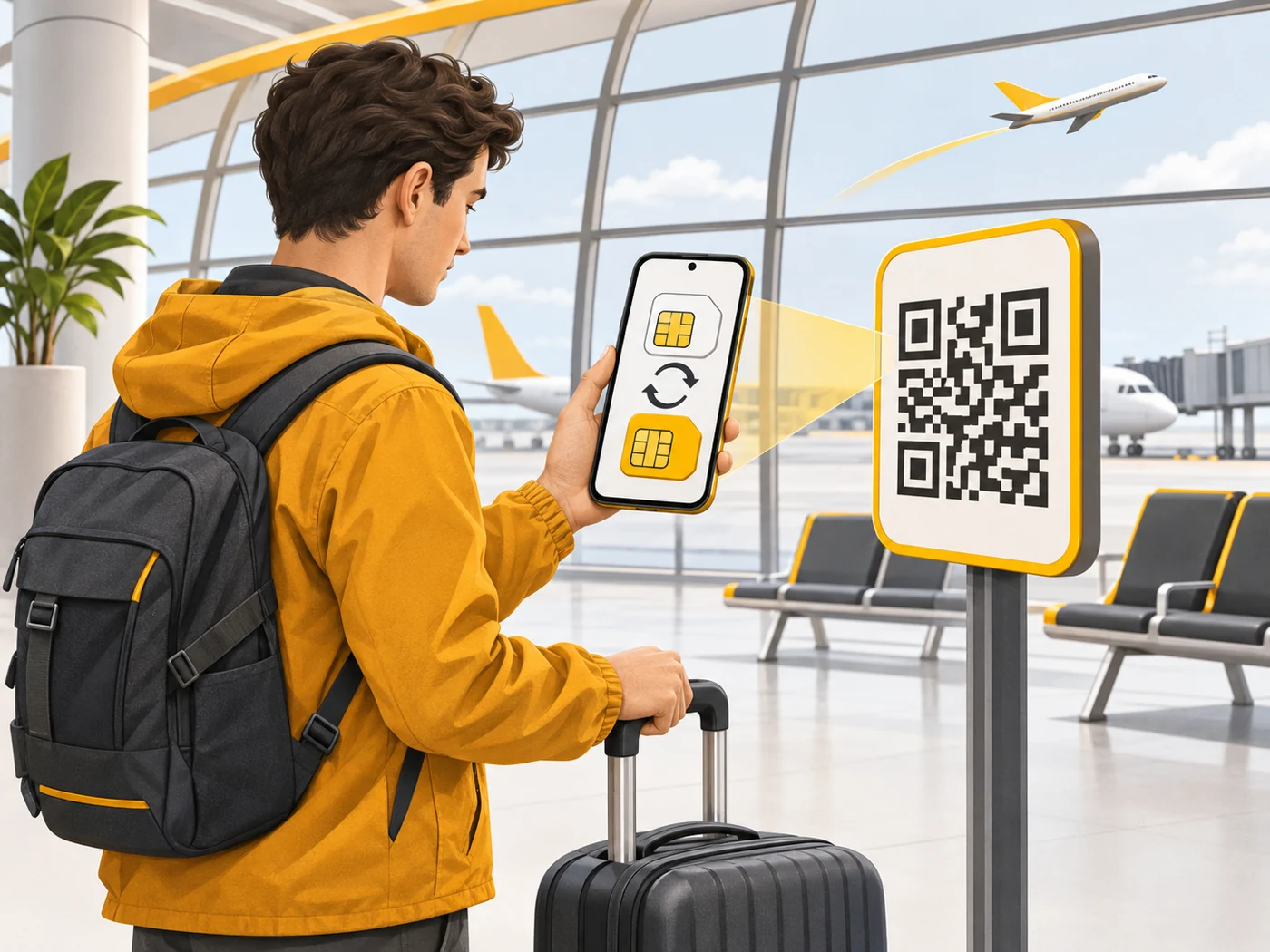
Where you'll see it
eSIM is supported by modern iPhones (some are eSIM-only), most flagships and many mid-range Android phones, LTE watches, tablets and laptops. Most mobile operators offer eSIM. In our watch comparisons, eSIM appears in the Connectivity row.
Does it matter when buying
Yes. eSIM is handy for travel (you can buy a travel plan online without removing your own SIM), for two numbers on a single-slot phone and for watches with mobile connectivity. Before buying, check that the phone supports eSIM and that it works with your operator.
Myths
- Myth: An eSIM is easier to steal along with your number. Reality: The opposite - it cannot simply be pulled out of a stolen phone.
- Myth: You cannot switch operators with an eSIM. Reality: You can - you just download a new profile.
FAQ
How do I move an eSIM to a new phone?
Use the transfer feature in settings or contact your operator.
Can I have a physical SIM and an eSIM at the same time?
Yes, most phones support that combination.
Does eSIM work when roaming?
Yes, and you can also add a local travel profile.
Related terms
SIM card, 5G RedCap, 5G, VoLTE and VoWiFi