
SIM card: what it is, the types and how it works
A SIM card (subscriber identity module) is a small chip that stores the data identifying a subscriber on a mobile network: the IMSI number, encryption keys and operator settings. Without a SIM or eSIM, a phone cannot join a mobile network (except for emergency calls).
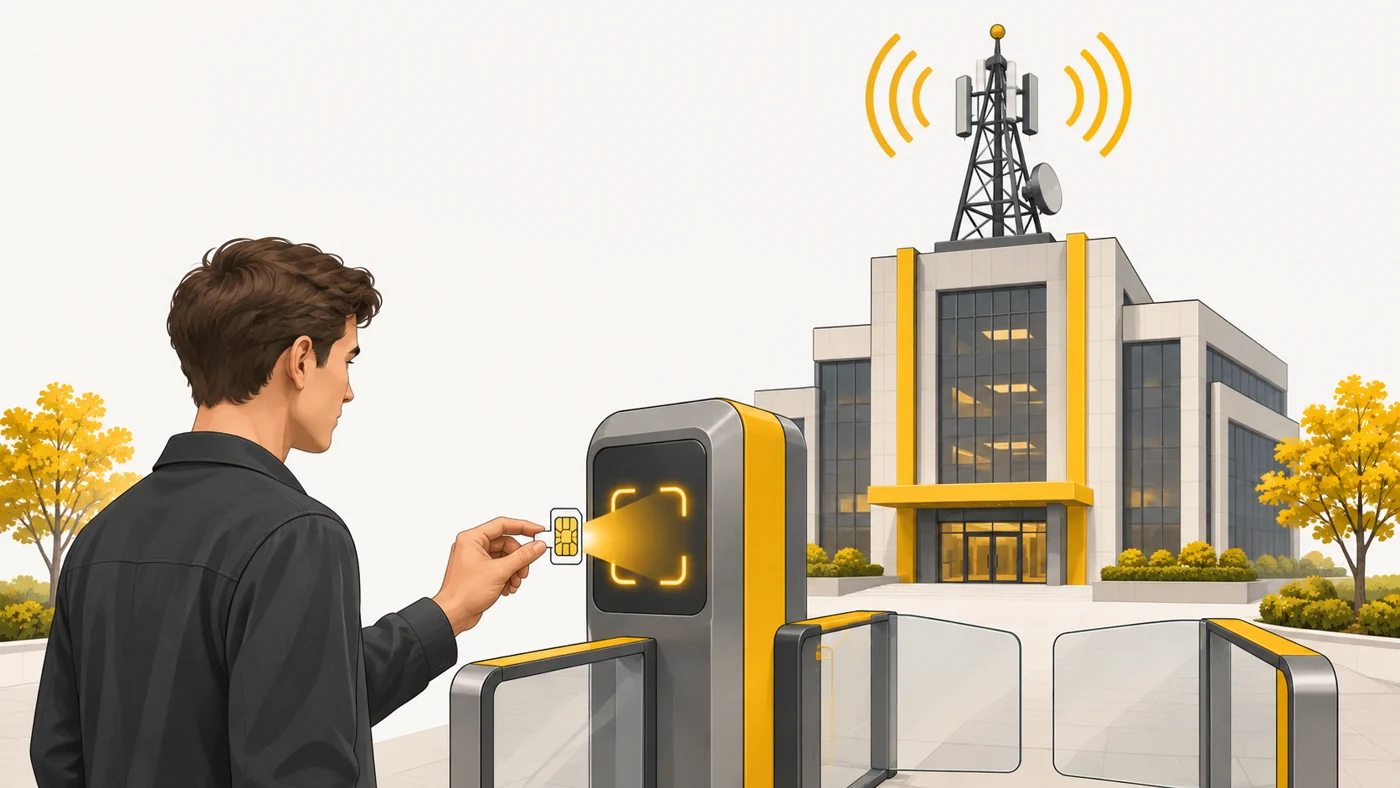
In plain words
A SIM card is like a pass for your workplace. The phone is you, and the operator's network is a building with security. Without a pass, security will not let you in. Move the pass to another phone and they recognise you by it, even in new "clothes".
How it works
- The SIM contains a microchip with a unique IMSI and a secret key.
- When connecting, the network verifies the SIM using that key.
- Once verified, the phone can make calls, send texts and use the internet.
- A PIN code protects the SIM from being used by others.
- Sizes: mini-SIM, micro-SIM, nano-SIM; modern phones use nano-SIM or eSIM.
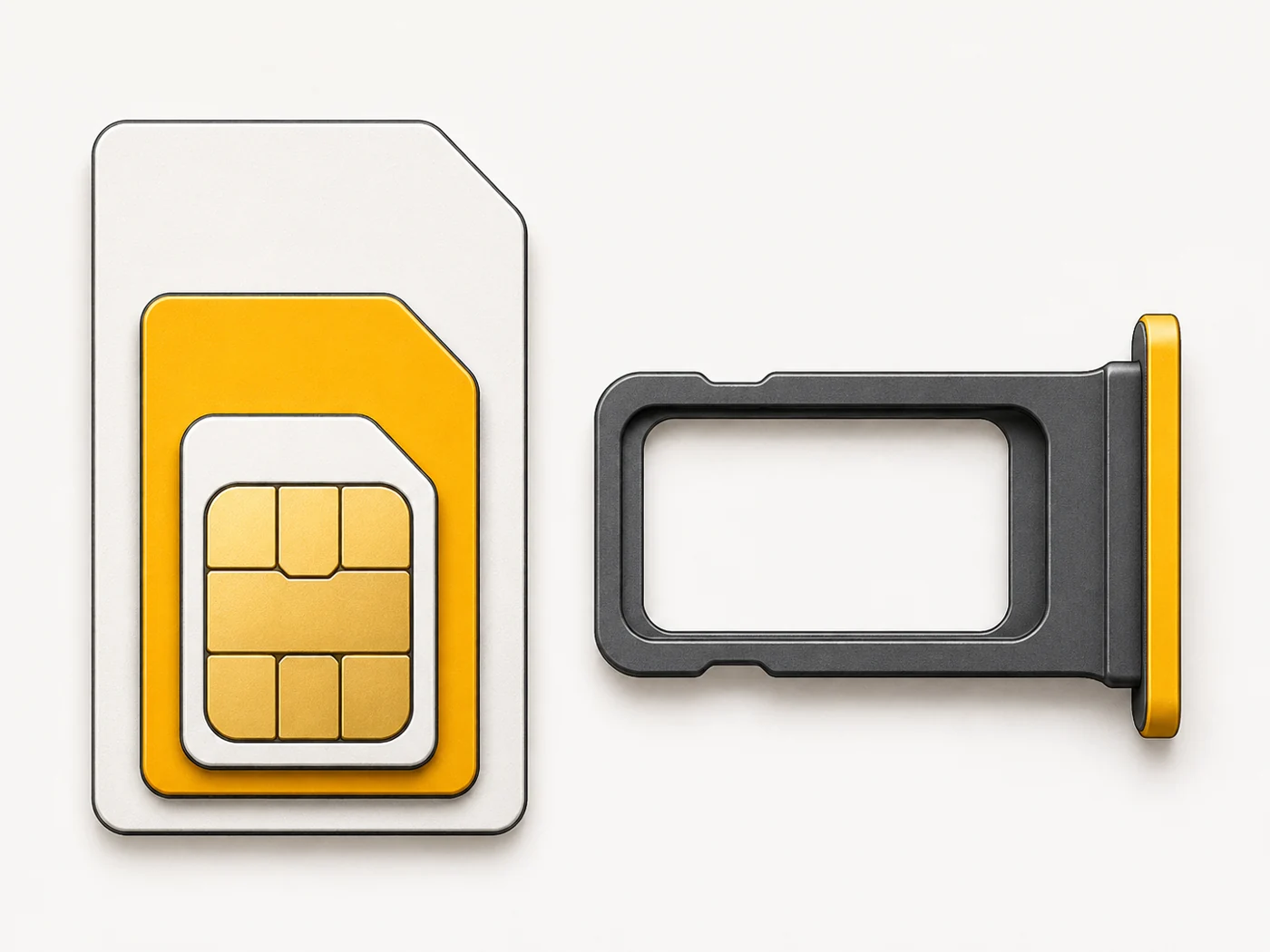
Where you'll see it
The SIM tray on the side of a phone or tablet. In specs: "nano-SIM", "2 × nano-SIM", "nano-SIM + eSIM". 4G routers and modems have a SIM slot too.
Does it matter when buying
It helps to know how to protect your number: set a PIN on the SIM, never share codes from text messages, and if you lose your phone, block the SIM with your operator right away. Your bank and messaging apps often depend on your number, which is exactly why scammers go after it.
Myths
- Myth: A SIM card stores all your contacts. Reality: Modern contacts are stored in your Google or iCloud account, not on the SIM.
- Myth: Without a SIM, a phone cannot call emergency services. Reality: An emergency call is usually possible even without a SIM.
FAQ
What is a nano-SIM?
The smallest physical SIM size and the standard for modern phones.
How do I move my number to an eSIM?
Through your operator's app or at one of its shops.
What if my SIM is damaged?
Get a replacement from your operator and keep your number.
Related terms
eSIM, Dual SIM, PIN code, IMSI, Mobile operator