
IMSI: the hidden number of your SIM card
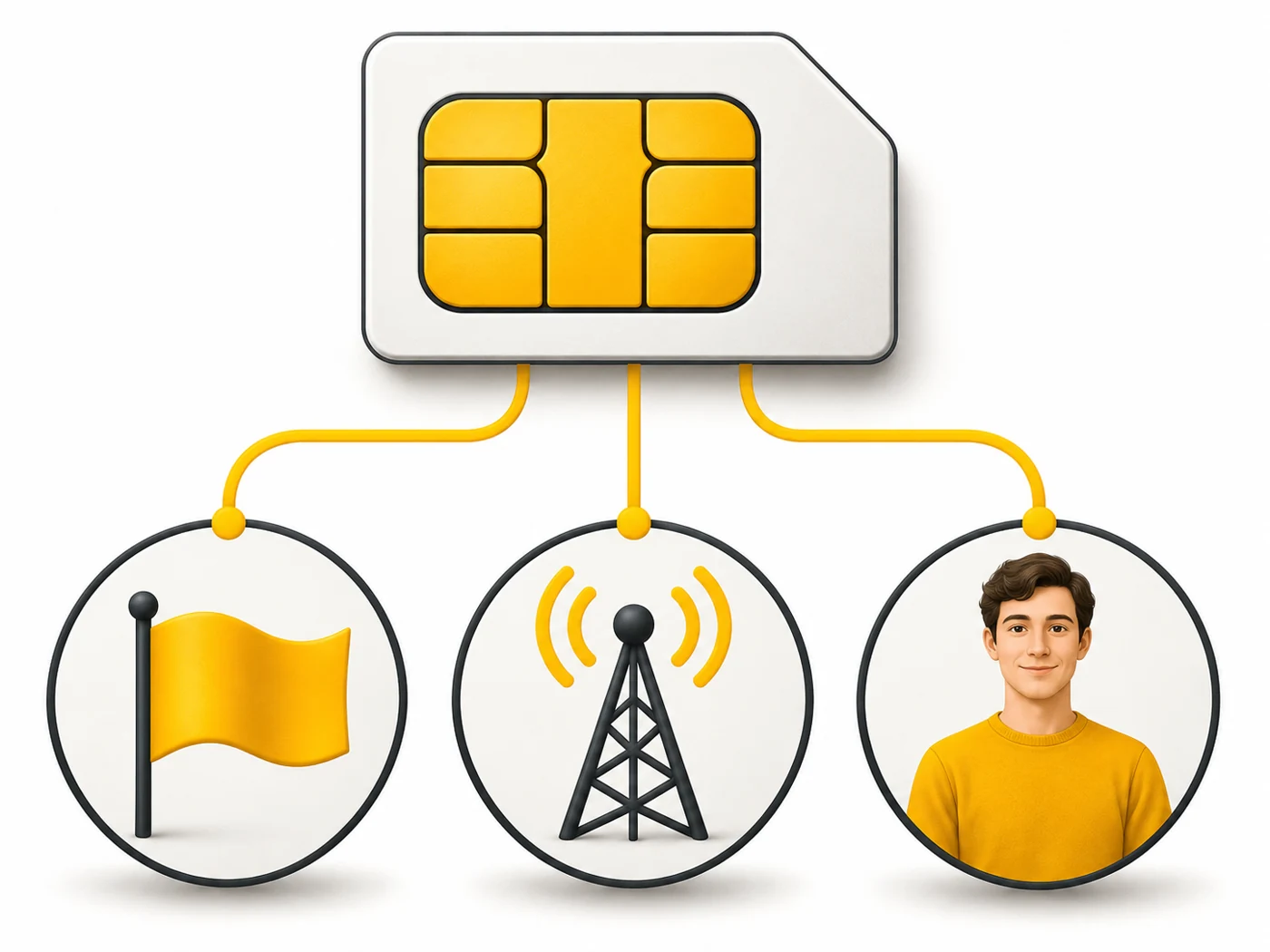
IMSI (International Mobile Subscriber Identity) is a unique number of up to 15 digits stored on a SIM card or eSIM that the operator's network uses to identify the subscriber. It is made up of a country code, an operator code and the subscriber number.
In plain words
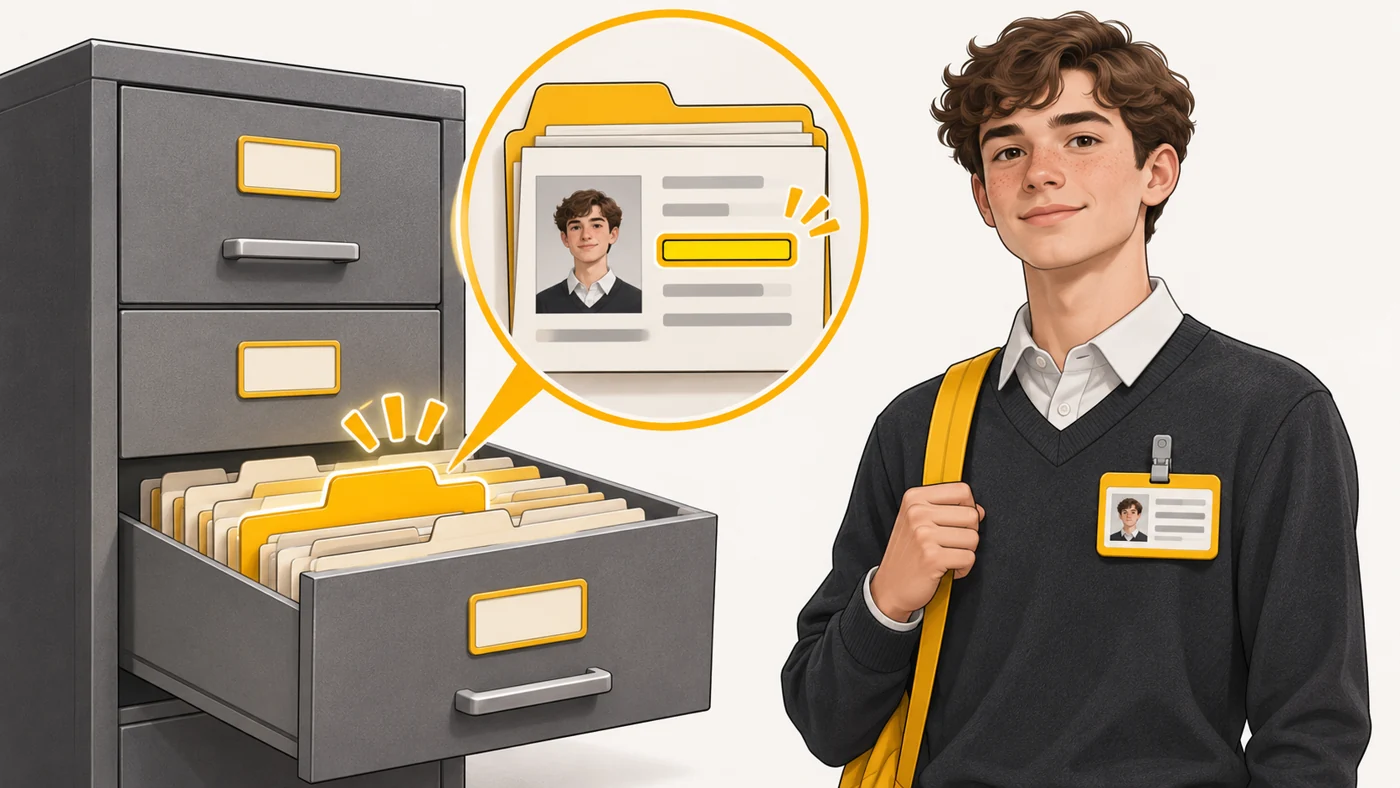
Your phone number is like your name, which your friends know. The IMSI is like your file number in the school archive: only the "administration" (the operator's network) sees it, and that is how you are found in the database. The IMEI, meanwhile, is the number of your backpack, not of you.
How it works
- The IMSI is written to the SIM during manufacture.
- When registering on the network, the phone sends the IMSI (or a temporary identifier).
- The network finds the subscriber in its database and checks the keys.
- For privacy, temporary identifiers (TMSI) are used more often.
- In 5G the IMSI is sent in encrypted form (SUCI).
Where you'll see it
Operators and service tools see the IMSI; ordinary users do not need it. You can see it in some technical apps or service menus.
Does it matter when buying
You do not need to know it, but it helps to understand that your phone number, IMSI and IMEI are three different things. When you replace a SIM, your number can stay the same but the IMSI will be new.
Myths
- Myth: The IMSI and the phone number are the same. Reality: The number is linked to the IMSI in the operator's database, but they are different identifiers.
- Myth: You can see the IMSI in any phone's settings. Reality: It is usually hidden.
FAQ
What does an IMSI consist of?
A country code (MCC), an operator code (MNC) and the subscriber number.
Does the IMSI change when I port my number?
Yes, a new SIM has a new IMSI.
What is an IMSI catcher?
A device that impersonates a tower to intercept identifiers; 5G offers better protection.