
IPv6: new internet addresses in plain words
IPv6 (Internet Protocol version 6) is the sixth version of the protocol devices use to get addresses and find each other on the internet. It replaces IPv4, which has almost run out of addresses.
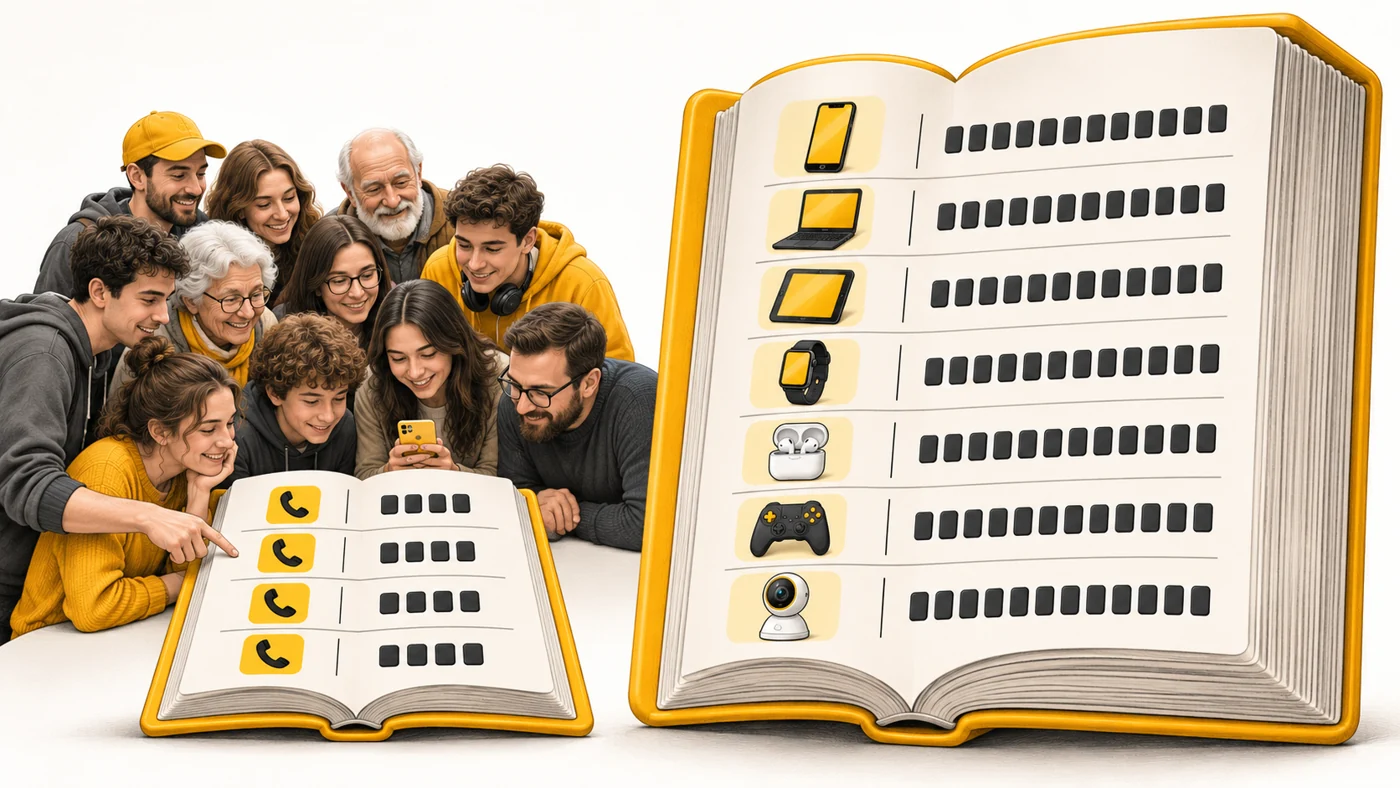
In plain words
IPv4 is like four-digit phone numbers: there were enough for the whole city while phones were few, but now numbers are scarce and a whole building has to share one. IPv6 is like numbers dozens of digits long: there are enough for every device on the planet and billions more in the future.
How it works
- An IPv4 address has 4 numbers: 192.168.1.1 - about 4 billion combinations.
- An IPv6 address is much longer and written in hexadecimal groups.
- The number of possible IPv6 addresses is practically unlimited.
- Because IPv4 is scarce, providers hide many customers behind one address (NAT).
- With IPv6, every device can have its own global address.
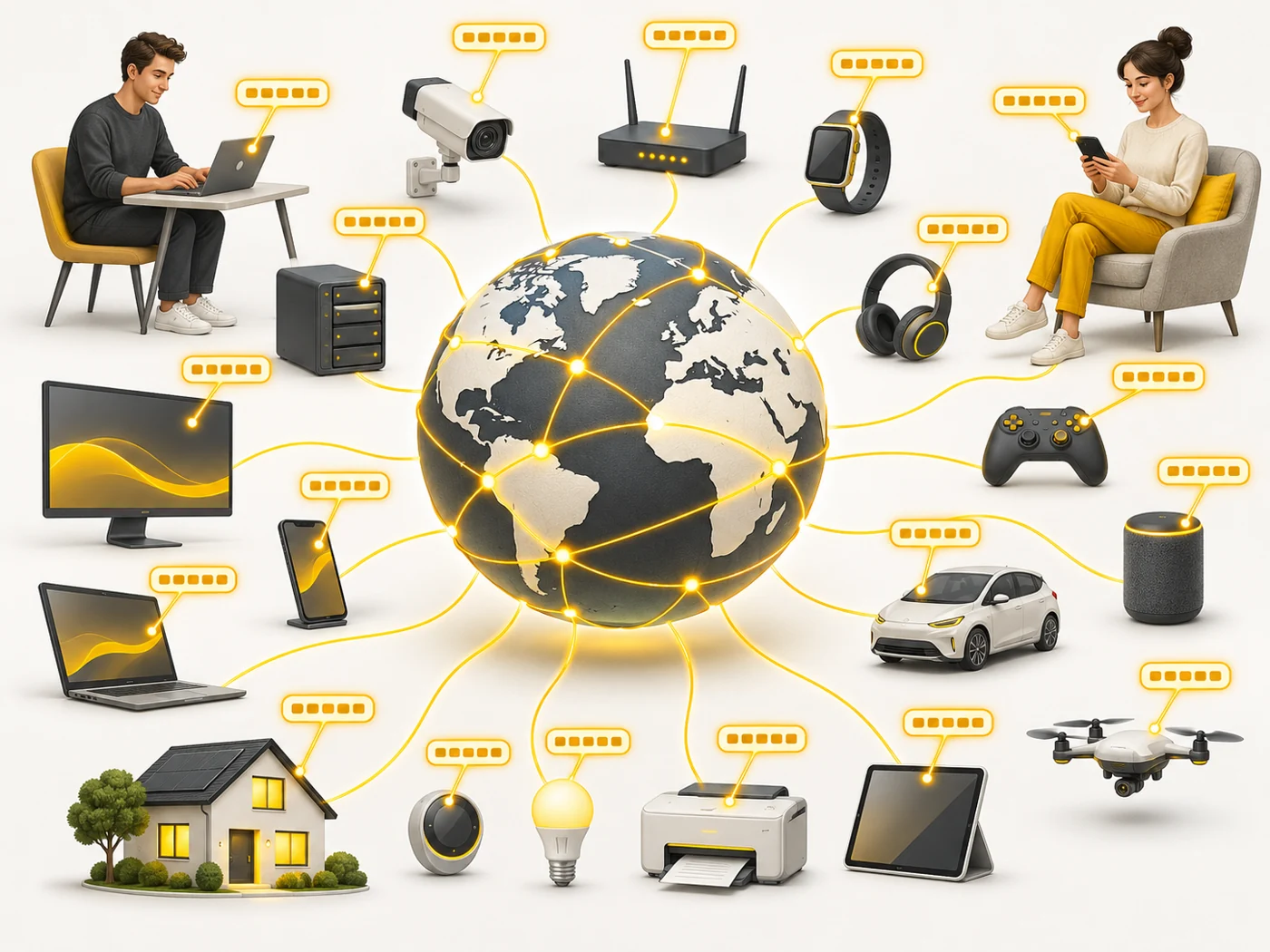
Where you'll see it
In the router settings, under IPv6. Modern phones, laptops and routers support IPv6. Whether it works for you depends on your provider. You can check on dedicated IPv6 test websites.
Does it matter when buying
For an ordinary user it is almost invisible. But IPv6 helps with gaming and remote access to cameras and devices because it reduces NAT problems. If your provider supports IPv6, I would turn it on in the router and keep the firewall active.
Myths
- Myth: IPv6 is faster than IPv4. Reality: Speed is about the same; the advantages are in addressing and routing.
- Myth: With IPv6 all my devices are exposed to the internet. Reality: The router has a firewall that blocks unwanted incoming connections.
FAQ
Do IPv4 and IPv6 work at the same time?
Yes, a dual-stack mode is usually used.
How do I check IPv6?
Open an IPv6 test website from any device.
Does a smart home need IPv6?
Standards such as Matter and Thread use IPv6 extensively.