
Multimodal model: AI that sees, hears and reads
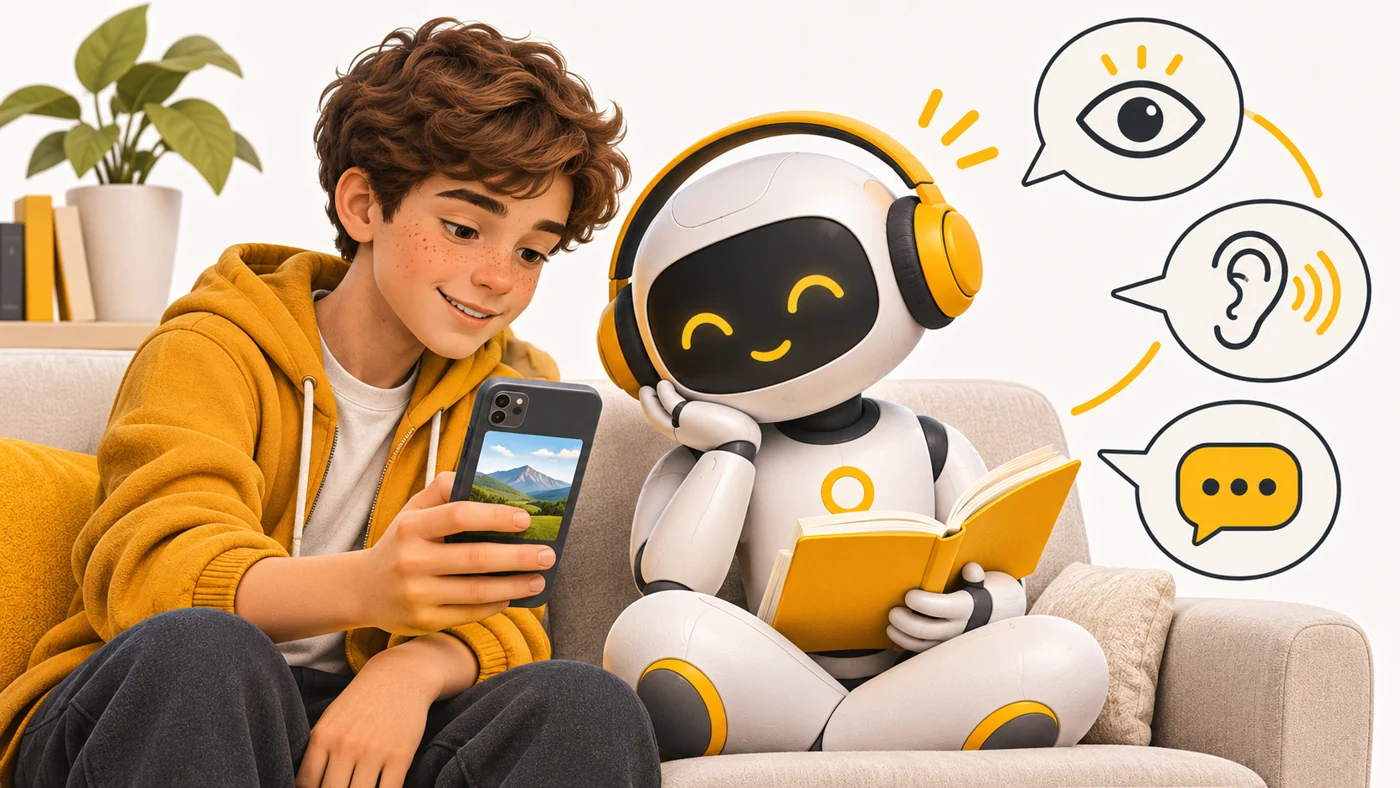
A multimodal model is an AI that works with several types of data at once: text, images, sound and video. You can show it a photo and ask a question out loud, and it answers in text or with a voice.
In plain words
The first chatbots were like a pen pal: text only. A multimodal model is like a friend sitting next to you: you show them a photo, play a song, point at a diagram - and they understand it all together. A "modality" is simply a type of information: text, picture, sound.
How it works
- Each type of data is turned into numbers: text into tokens, photos into small patches, sound into slices of a spectrum.
- The model is trained on paired data: photos with captions, videos with subtitles, audio with text.
- That is why it "understands" how words relate to what can be seen and heard.
- You can mix types in one request: "what is wrong with my solution?" plus a photo of your notebook.
- Some models answer not only in text but also with a voice or an image.
Where you'll see it
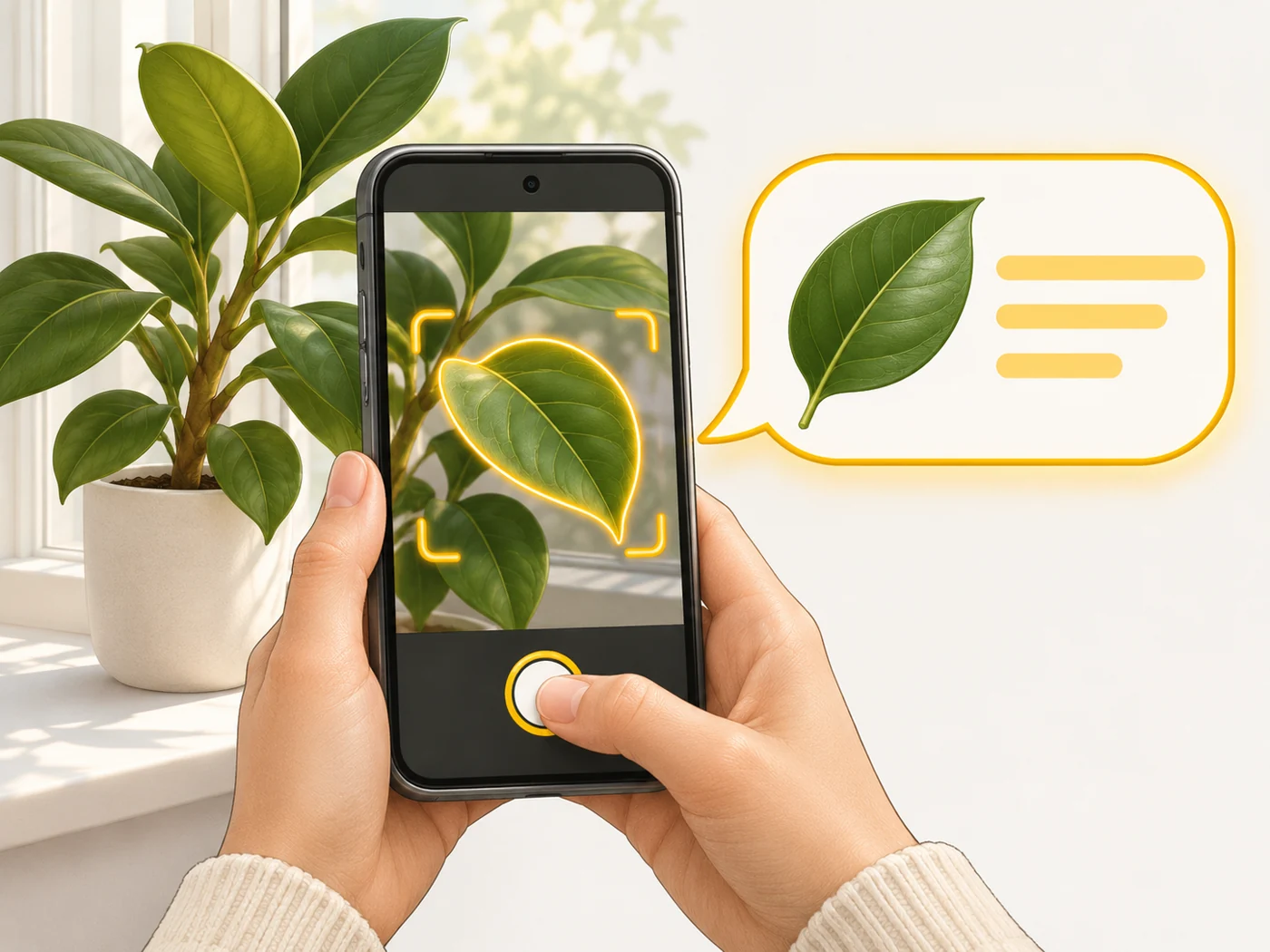
Almost every leading AI assistant is already multimodal: you can photograph a menu and ask for a translation, point the camera at a plant and ask its name, or have a voice conversation. On smartphones these are features like Circle to Search and talking to the assistant through the camera.
Does it matter when buying
Yes, because it is one of the most useful everyday things AI does. For this, a good camera, good microphones and fast internet or a powerful NPU matter. But remember: when you show the model a photo, you send it to a server. I would not photograph documents or other people's faces for AI unless I had to.
Myths
- Myth: The model "sees" just like a human. Reality: It analyses pixels using learned patterns and can make mistakes a human would never make.
- Myth: Multimodal is only about photos. Reality: It also covers sound, video, documents, charts and even sensor data.
FAQ
Can the model read handwriting?
Mostly yes, if the handwriting is legible and the photo is sharp.
Does it work offline?
Simple features do on flagships; complex ones mostly go through the cloud.
Does the model understand video?
Modern models can analyse video by splitting it into frames and sound.
Related terms
Large Language Model, Computer vision, Speech recognition, Vision-language-action models