
Speech recognition: how your phone turns voice into text
Speech recognition (STT, speech-to-text) is a technology that turns spoken language into text. It powers voice typing, subtitles, voice assistants and transcription of recordings.
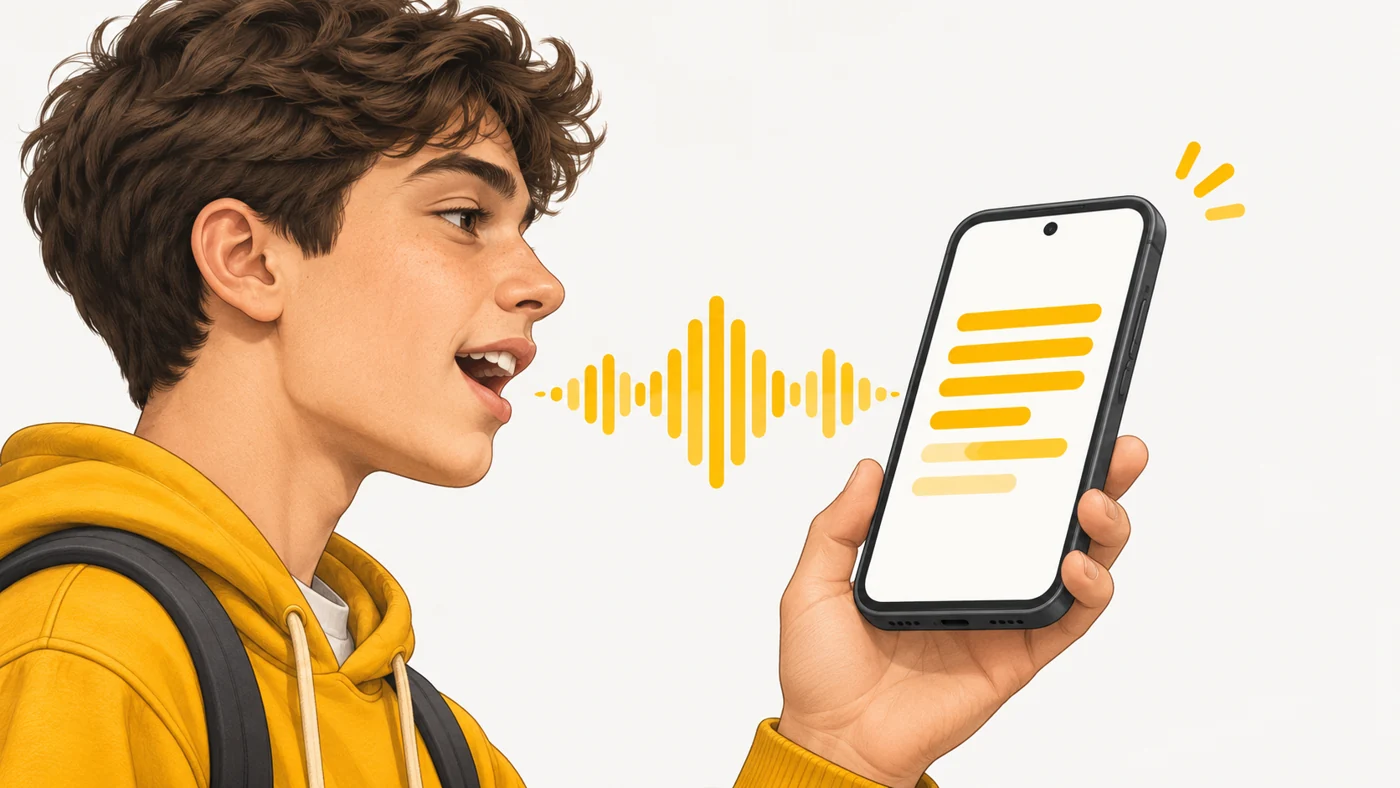
In plain words
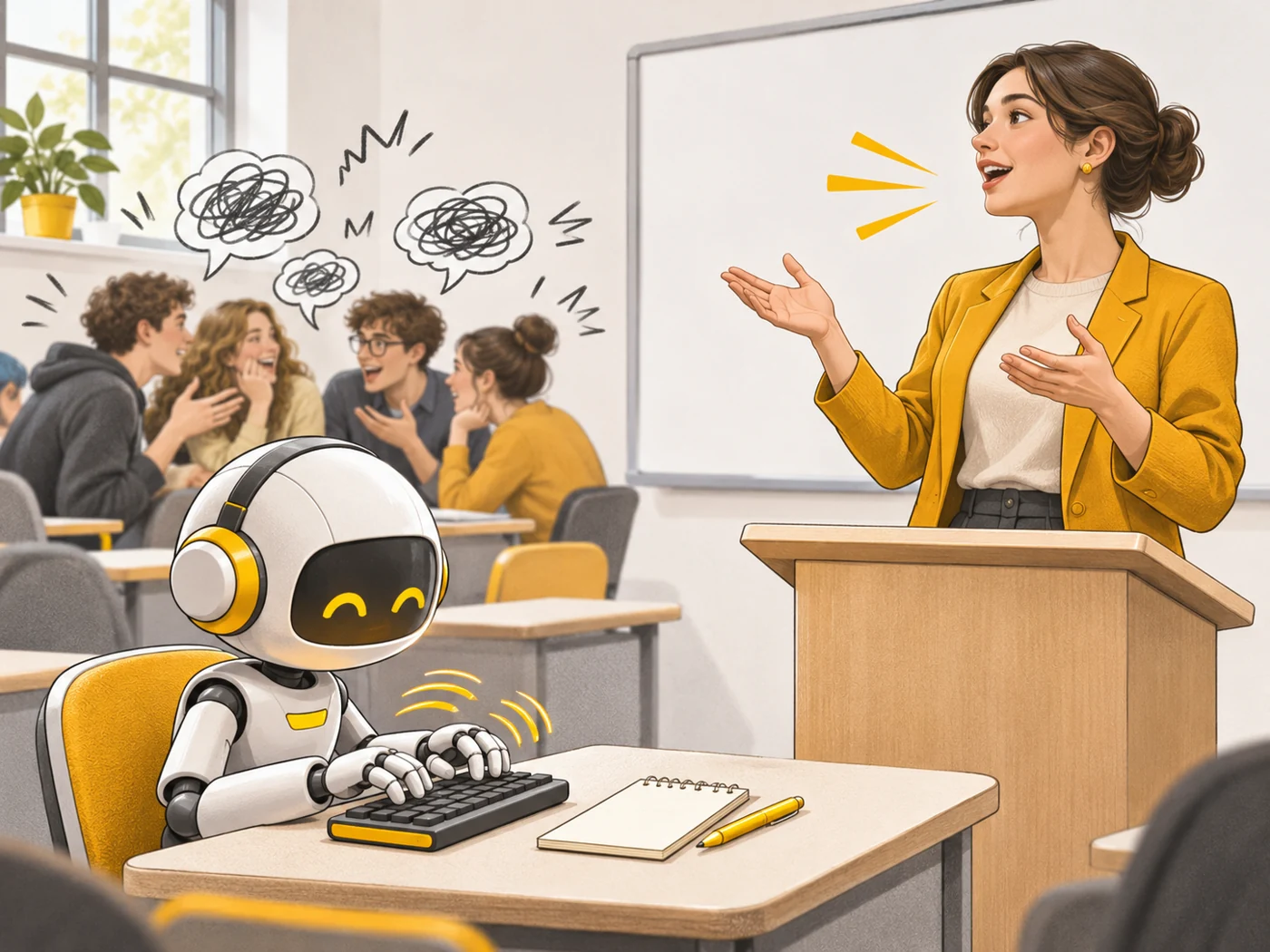
Imagine a stenographer sitting in class and writing down everything the teacher says - fast and without pauses. Speech recognition is the same stenographer, only digital: it listens to the microphone and types the text. If everyone talks at once or the classroom is noisy, it will miss things, just like a person would.
How it works
- The microphone records sound, and the system removes some of the noise.
- The sound is split into short fragments and turned into a "spectrogram" - a picture of the sound.
- A neural network works out which sounds and words are most likely there.
- A language model corrects the result by meaning: "write a letter", not "right a letter".
- The text appears on screen - often while you are still talking.
Where you'll see it
Voice typing on the keyboard, transcribed voice messages in messengers, automatic subtitles on YouTube and in calls, voice recorders with transcription, voice assistants, smart speakers and watches.
Does it matter when buying
For buying: if you dictate a lot, check whether the phone supports offline recognition for your language - it is faster and more private. For studying, transcribing recorded lectures saves hours. Quality depends heavily on the microphones: in noisy places, phones and earbuds with several mics and noise cancelling do better.
Myths
- Myth: Speech recognition cannot handle accents or mixed dialects. Reality: Modern models cope much better than before, though there are more mistakes than with standard speech.
- Myth: My phone is constantly recording everything I say. Reality: Usually it only listens locally for a wake phrase like "Hey Google" and starts recognising after that.
FAQ
How do I dictate punctuation?
Say "comma", "full stop" or "period", "question mark" - most keyboards understand this.
Does speech recognition work offline?
On many modern phones, yes, if you download the language pack.
Can I transcribe a lecture recording?
Yes, the built-in recorders on some smartphones and separate services can transcribe and even summarise.
Related terms
Text-to-speech, Live call translation, On-device AI, Multimodal model