
On-device AI: advantages and limitations
On-device AI means artificial intelligence features that run directly on a smartphone, tablet, watch or laptop, without sending data to the cloud.
In plain words
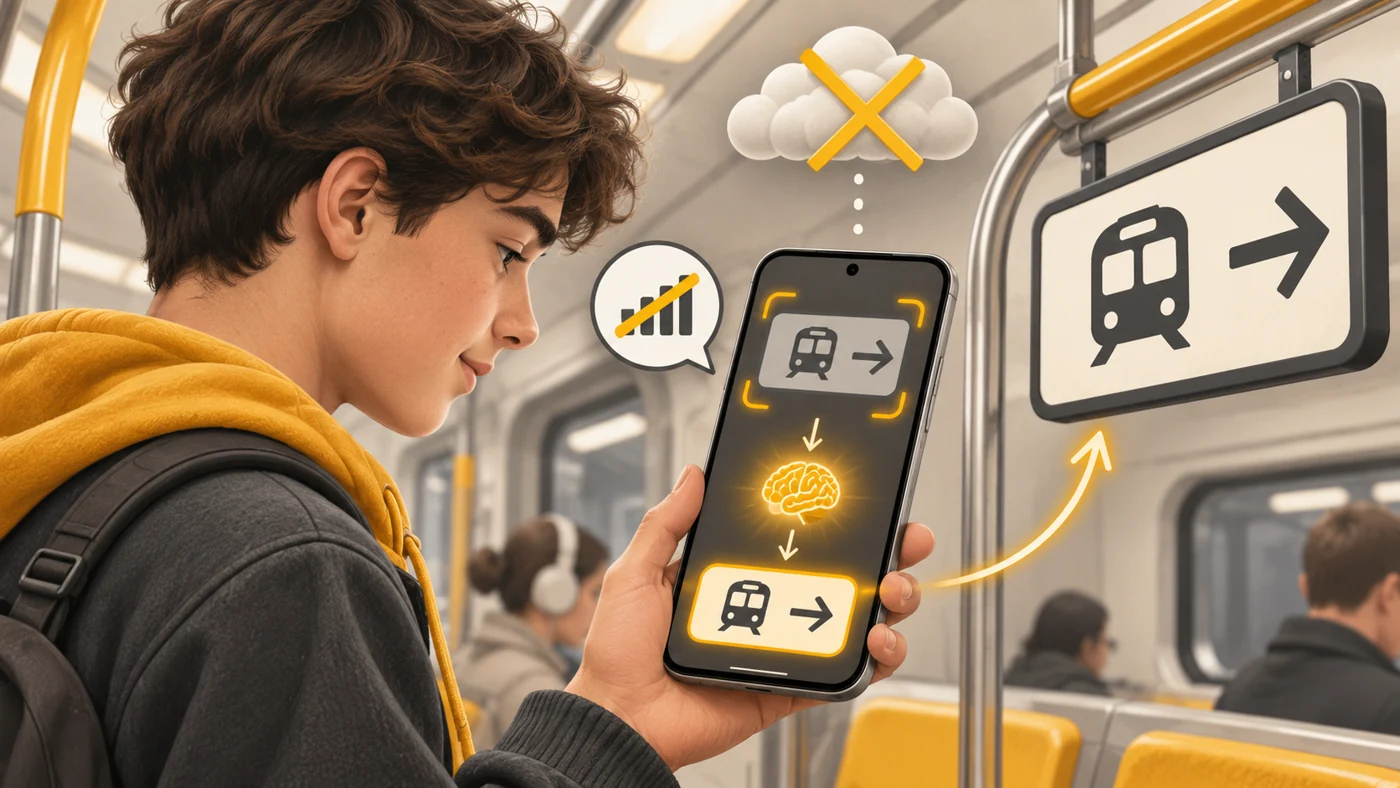
Cloud AI is like calling a smart friend: they know more, but you need a connection and someone could overhear. On-device AI is like your own cheat sheet in your pocket: it knows less, but it works on the subway, on a plane and during a power cut, and no outsider reads it.
How it works
- The manufacturer compresses (quantises) a small model so it fits in the device's memory.
- The model is stored on the phone with the system or downloaded separately.
- The neural processor (NPU) does the computing quickly and with little battery drain.
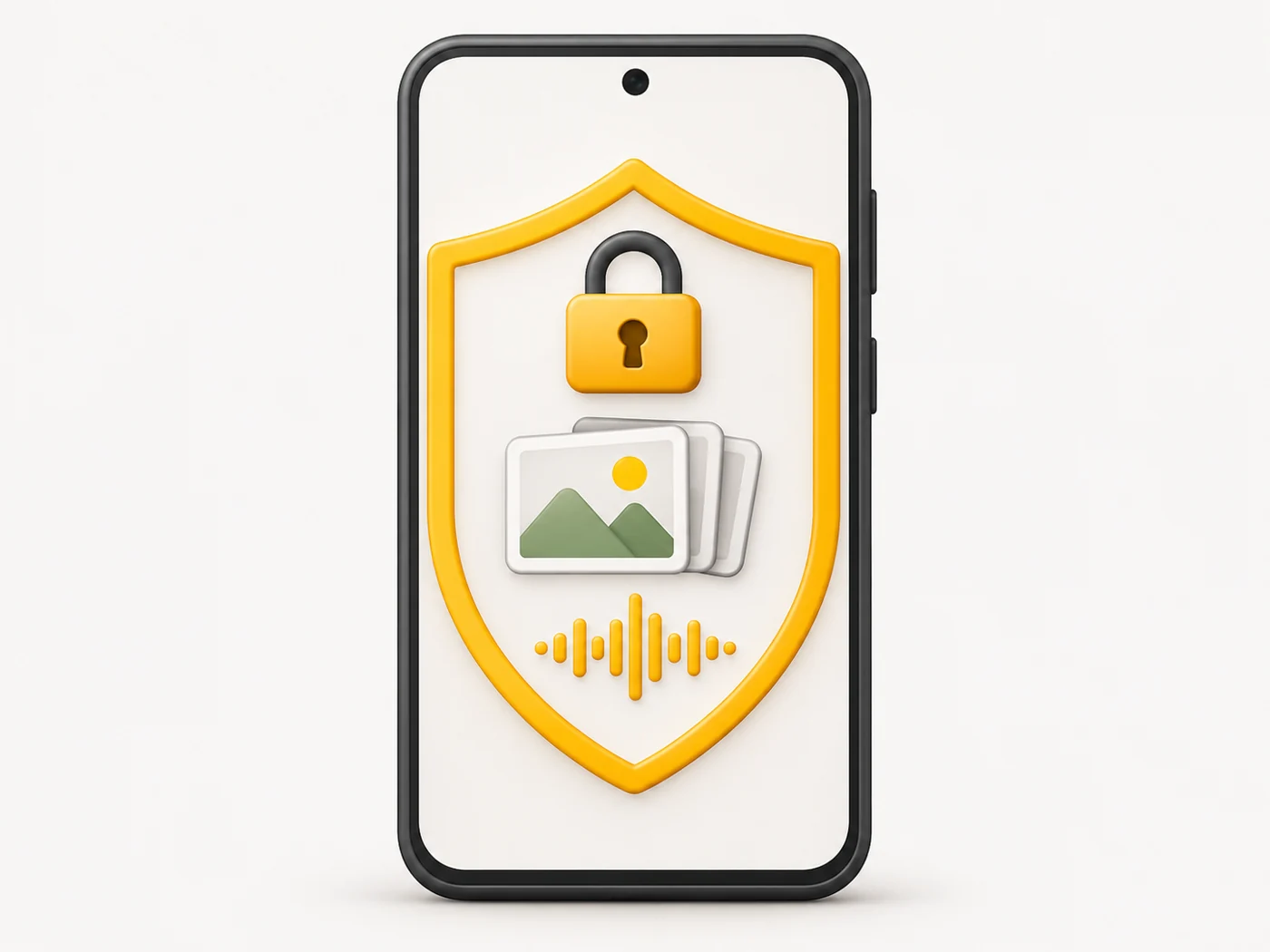
- Your data - photos, voice, text - is processed locally and never leaves the device.
- For harder requests the system can hand off to the cloud, often warning you about it.
Where you'll see it
Things that usually run on device include face recognition, night camera mode, dictation, some translation, note summaries and smart replies in the keyboard. Manufacturers market this as Galaxy AI, Apple Intelligence, Gemini Nano and so on - and often specify what runs locally and what goes through the cloud.
Does it matter when buying
Yes, if privacy, speed and working offline matter to you. You need a modern chip with a powerful NPU and enough RAM - manufacturers often require 8 GB or more for AI features. Budget phones either lack these features or run them through the cloud.
Myths
- Myth: If it says "AI", everything works offline. Reality: No, many features send data to a server. Check the description or settings.
- Myth: On-device AI drains the battery fast. Reality: The NPU is built to be efficient. Short tasks barely affect battery life.
FAQ
How can I tell a feature runs locally?
Turn on airplane mode and try it. Some phones also have a "process on device only" toggle.
How much memory does on-device AI need?
It depends on the features, but flagship AI capabilities usually require at least 8 GB of RAM.
Do older phones get AI features?
Sometimes, through updates, but they often lack the NPU power or memory.
Related terms
Neural Processing Unit (NPU), Cloud AI, Quantisation, Training and inference