
Touch sampling rate: why it matters in games
Touch sampling rate is how many times per second the screen checks where your finger is. It is measured in hertz: 240, 480, 1000 Hz and more.
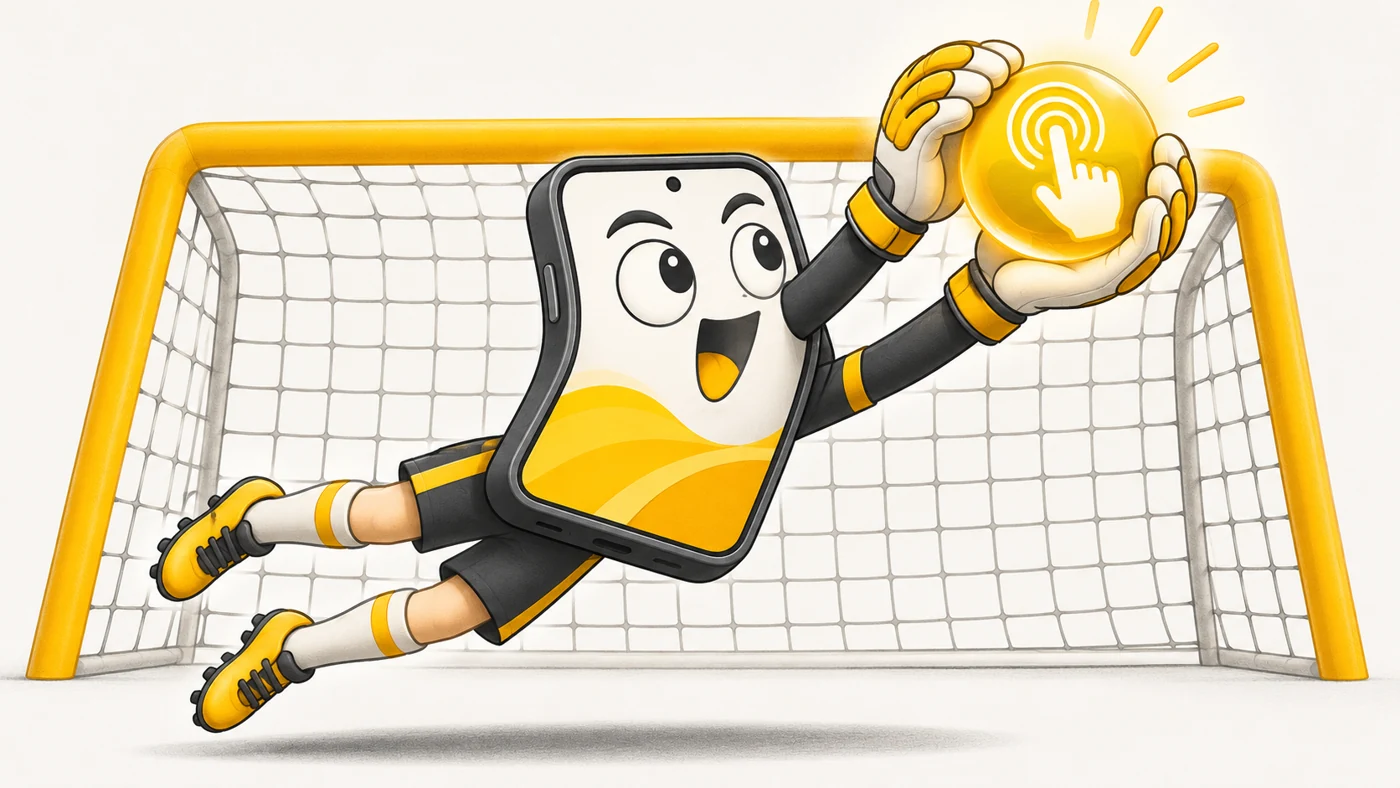
In plain words
Imagine a goalkeeper who opens their eyes every half second to look at the ball. They will miss half the shots. A goalkeeper who watches non-stop reacts instantly. Touch sampling rate is how often the screen's "goalkeeper" looks at your finger. The more often, the faster the response to a touch.
How it works
- The touch layer above the display detects the change in capacitance from your finger.
- The controller "polls" the layer at a set rate: is there a touch, and where?
- The higher the rate, the less time between a touch and the system's response.
- Touch sampling can be higher than the refresh rate - for example, 240 Hz on a 120 Hz screen.
- Gaming modes often raise the sampling rate temporarily.
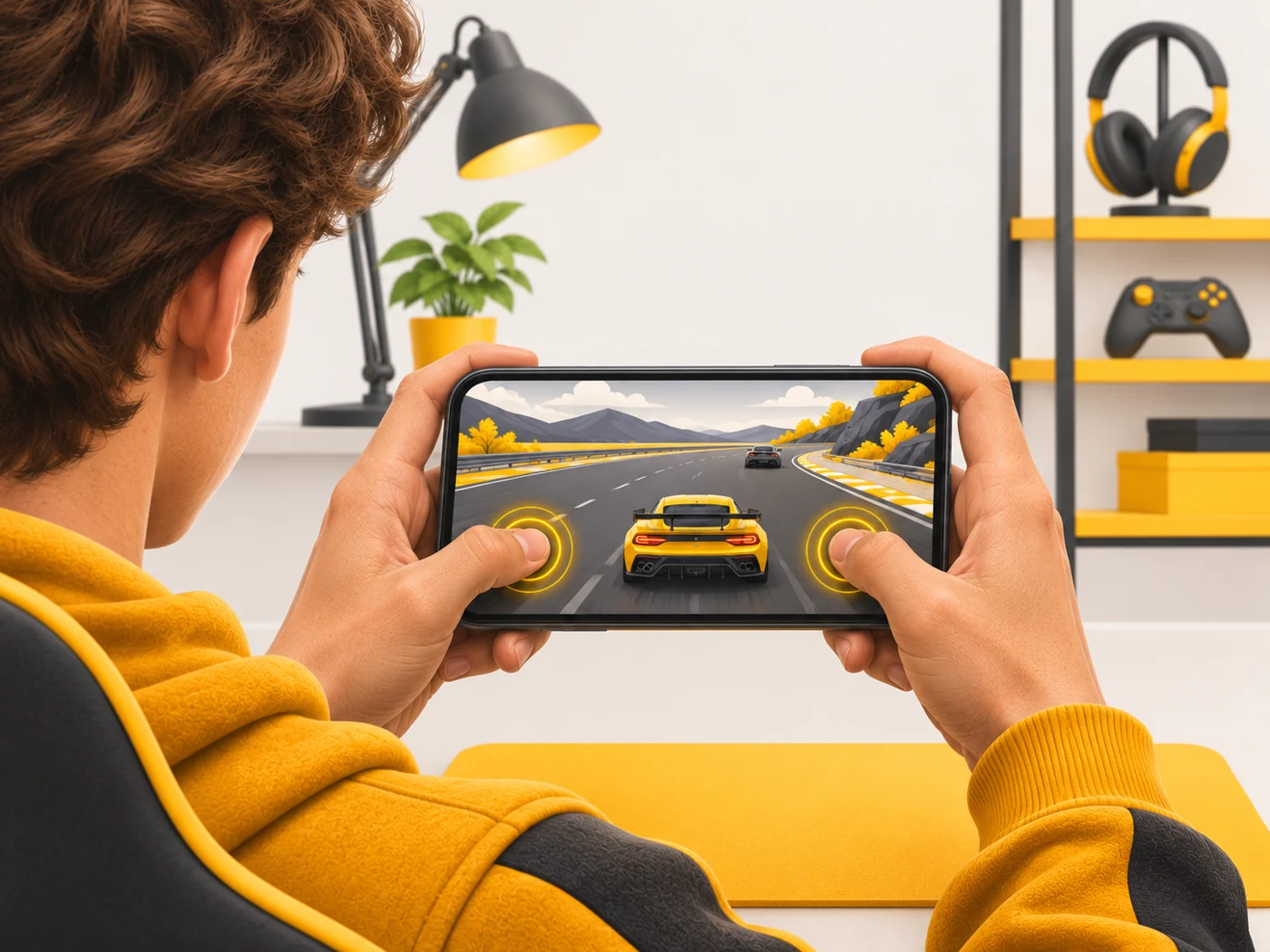
Where you'll see it
In the specs of gaming smartphones and tablets, and sometimes flagships: "240 Hz touch sampling rate", "instantaneous up to 2000 Hz". Regular models often do not list it.
Does it matter when buying
For shooters and rhythm games, yes - the response is noticeably faster. For social media and messaging it makes no difference. And beware of marketing: "2000 Hz instantaneous sampling rate" often means a brief peak, not a steady mode.
Myths
- Myth: Touch sampling rate and refresh rate are the same thing. Reality: The first is about touches, the second about the image.
- Myth: More sampling hertz means a smoother screen. Reality: Image smoothness is determined by the refresh rate.
FAQ
What touch sampling rate is normal?
For most people, 120-240 Hz is enough.
What is an "instantaneous" sampling rate?
A short peak, for example at the moment of the first touch.
Does a screen protector affect it?
Thick glass or a poor film can slightly worsen touch response.