
LTPO display: how a screen changes its refresh rate from 1 to 120 Hz
LTPO (low-temperature polycrystalline oxide) is a backplane technology for OLED screens that lets the display change its refresh rate across a wide range, from 1 to 120 Hz and above, depending on what is on the screen.
In plain words
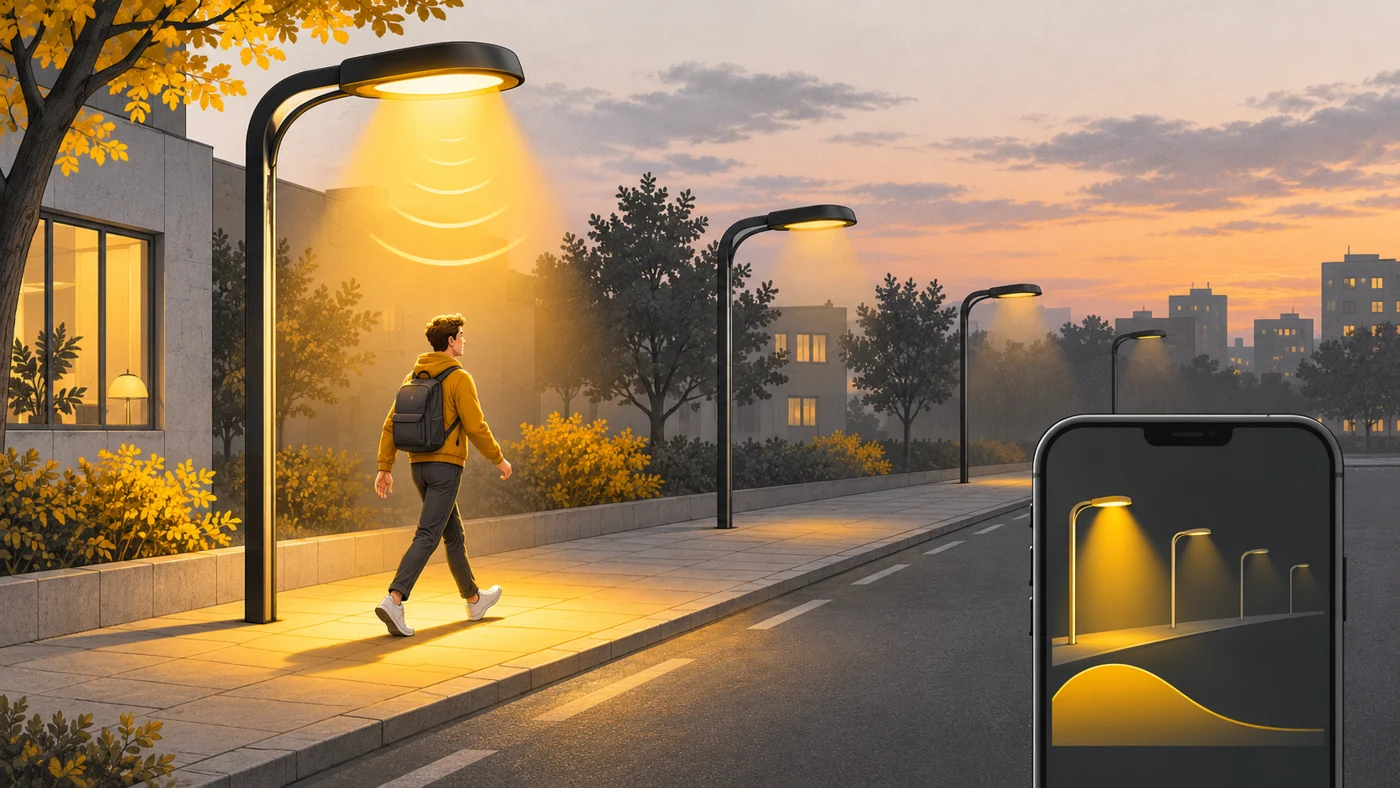
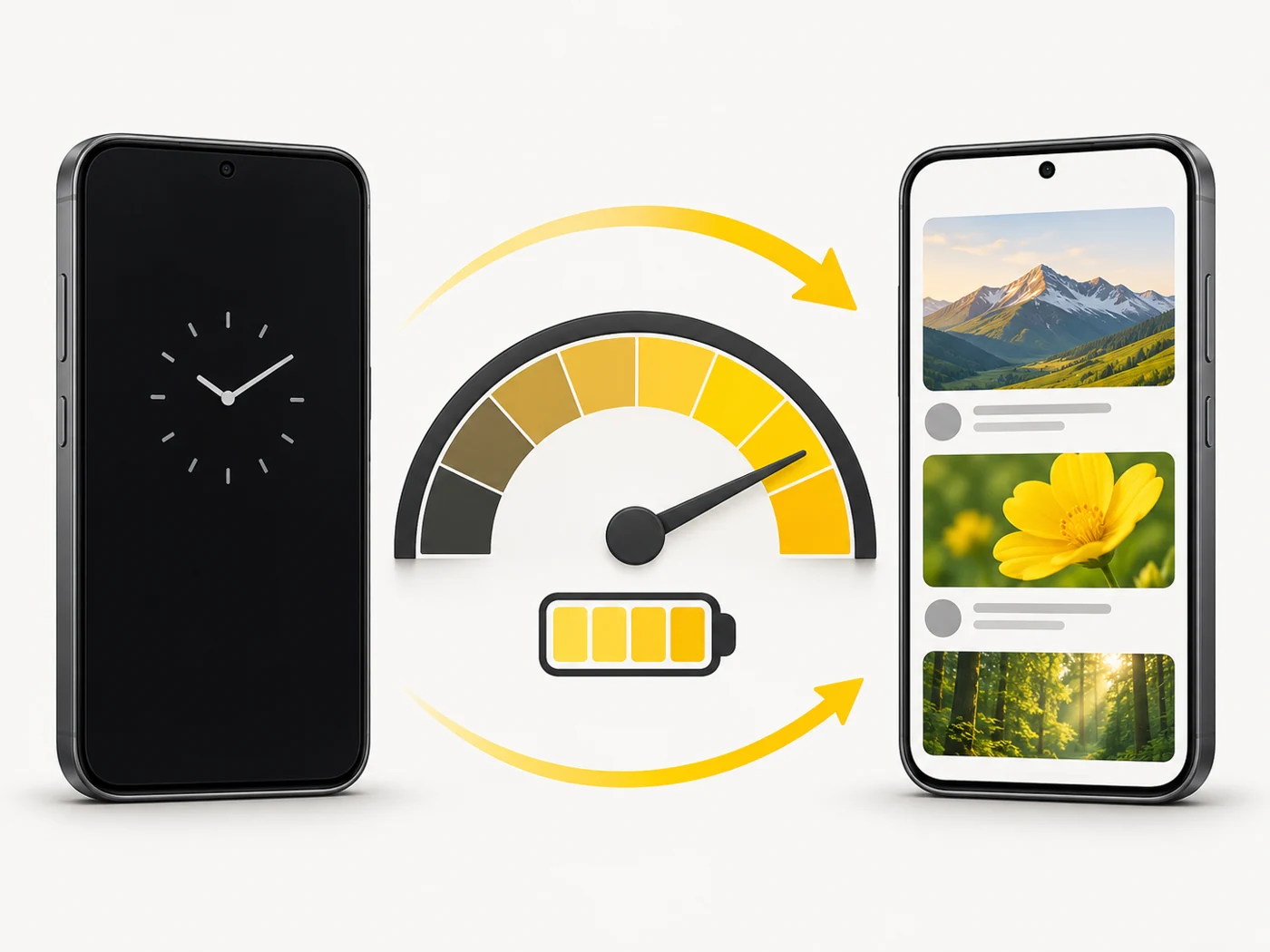
Imagine streetlights that shine at full power only when someone walks past and barely glow the rest of the time. A regular 120 Hz screen is like a streetlight that always runs at maximum. An LTPO screen "dims" itself down to 1 Hz while you read or glance at the clock on the lock screen, and instantly speeds up when you scroll your feed.
How it works
- Each OLED pixel is controlled by tiny transistors in the backplane.
- In LTPO, some of the transistors are made of an oxide that barely leaks charge.
- So a pixel can hold its image longer without being refreshed.
- The screen can refresh rarely - even once a second - without flickering.
- The system picks the rate to suit the content: scrolling, video, a game or static text.
Where you'll see it
LTPO is found in most flagship smartphones, some tablets and many smartwatches - it is what makes the always-on display possible. Specs say "LTPO", "1-120 Hz" or "adaptive refresh rate from 1 Hz".
Does it matter when buying
Yes, for battery life. A phone with LTPO can keep 120 Hz for smoothness while using less energy. The difference is especially noticeable if you use an always-on display. On budget phones the rate switches in steps (60/90/120), and the savings are smaller.
Myths
- Myth: LTPO is a separate screen type, like OLED or IPS. Reality: It is a backplane technology for OLED screens, not a separate type.
- Myth: Any adaptive refresh rate is LTPO. Reality: Many screens only switch between a few fixed rates, without a range down to 1 Hz.
FAQ
How can I tell if a phone has LTPO?
Look for "LTPO" in the specs or a refresh range starting at 1 Hz.
Do IPS screens have LTPO?
No, it is a technology for OLED.
Why does a watch need LTPO?
So the screen can show the time constantly while barely using any battery.
Related terms
Screen refresh rate, PWM flicker and DC dimming, AMOLED, Tandem OLED