
Autonomous navigation: how robots and vehicles find their own way
Autonomous navigation is the ability of a robot, drone or car to work out its own position, plan a route to a goal and follow it while avoiding obstacles, without constant human control.
In plain words
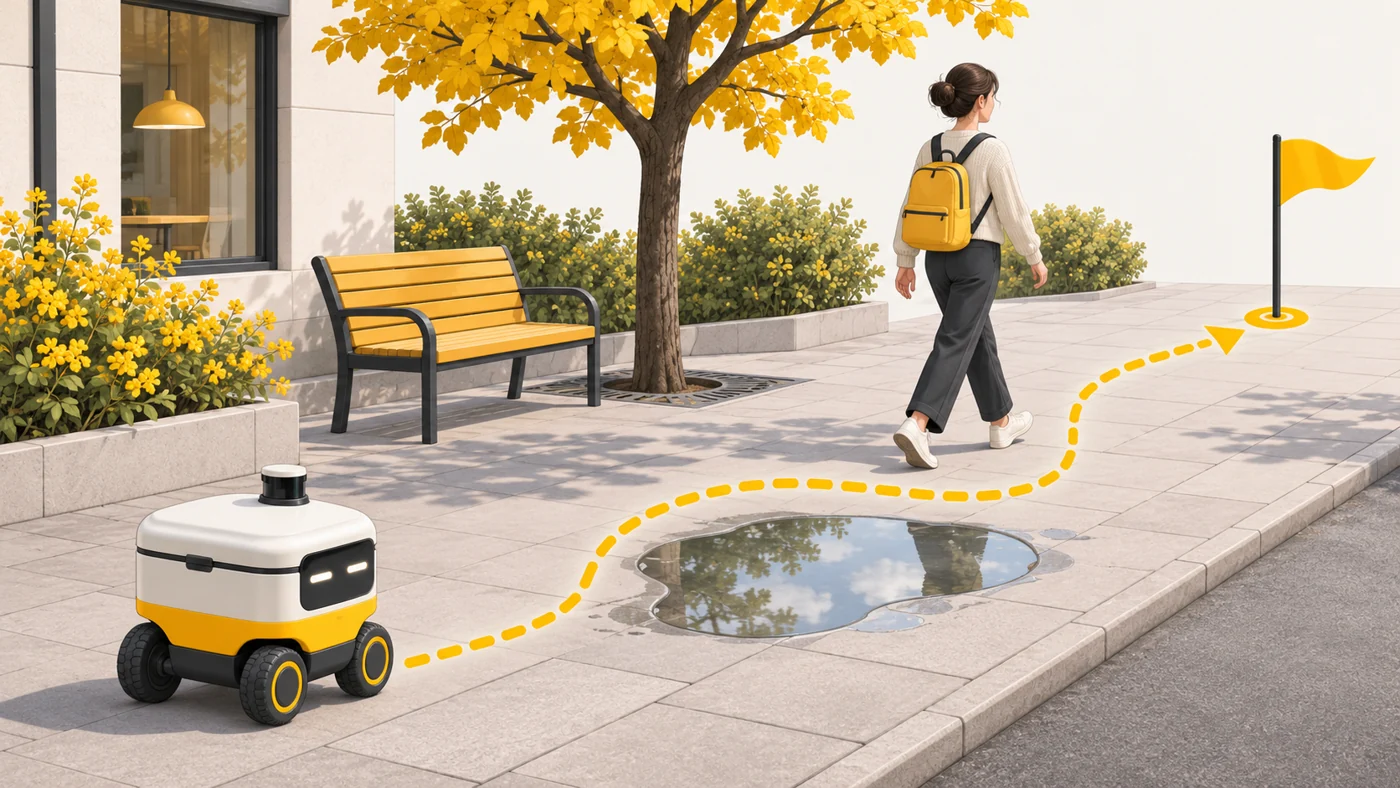
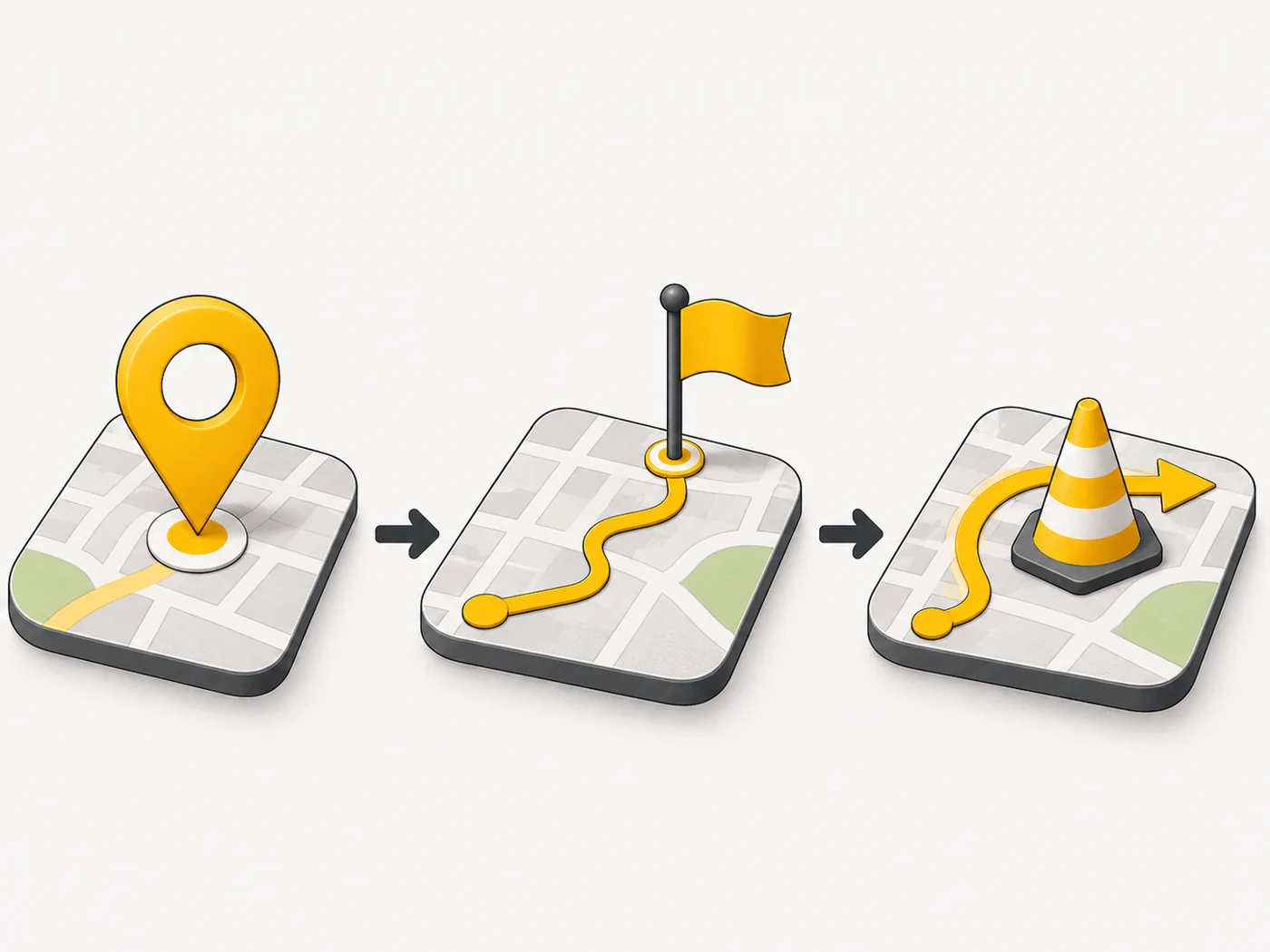
When you walk to school, you do three things: you know where you are (at home), you know where you need to go (school), and on the way you step around puddles and people. Autonomous navigation is the same three steps: where am I, where am I going, how do I get around obstacles. A robot just does it with sensors and algorithms.
How it works
- Localisation: the robot works out where it is - using GPS, a map, SLAM or markers.
- Perception: cameras, lidars and radars spot obstacles and moving objects.
- Route planning: an algorithm looks for the shortest safe path to the goal.
- Control: the robot follows the route by driving its motors or steering.
- Correction: if a new obstacle appears, the route is replanned on the fly.
Where you'll see it
Robot vacuums and lawn mowers, warehouse robots, delivery robots, drones with return-to-home and obstacle avoidance, cars with adaptive cruise control and autopilot, and unmanned sea and ground vehicles.
Does it matter when buying
When choosing a drone or robot vacuum, look at its obstacle sensors and how it returns to base. For drones, sensors on several sides and reliable return-to-home when the signal is lost are important. For cars, remember: most current systems are driver assistance, not full autopilot.
Myths
- Myth: Autonomous means perfectly safe. Reality: Autonomous systems make mistakes in unusual situations, so supervision is needed.
- Myth: GPS is enough. Reality: GPS does not work indoors and is off by several metres, so other sensors are needed.
FAQ
How is autonomous navigation different from remote control?
With remote control a person steers; with autonomous navigation the robot does.
Can I turn off autonomy on a drone?
Yes, most drones have a manual mode.
How does a robot avoid people?
It recognises them with a camera or lidar and predicts their movement to give them a wide berth.
Related terms
SLAM, Sensor fusion, LiDAR, Car autonomy levels, Drone (UAV)