
Phone SAR: what the radiation level means and whether to worry
SAR (specific absorption rate) is a measure of how much radio-frequency energy body tissue absorbs from a mobile device, in watts per kilogram (W/kg). Phones must meet set limits to be sold.
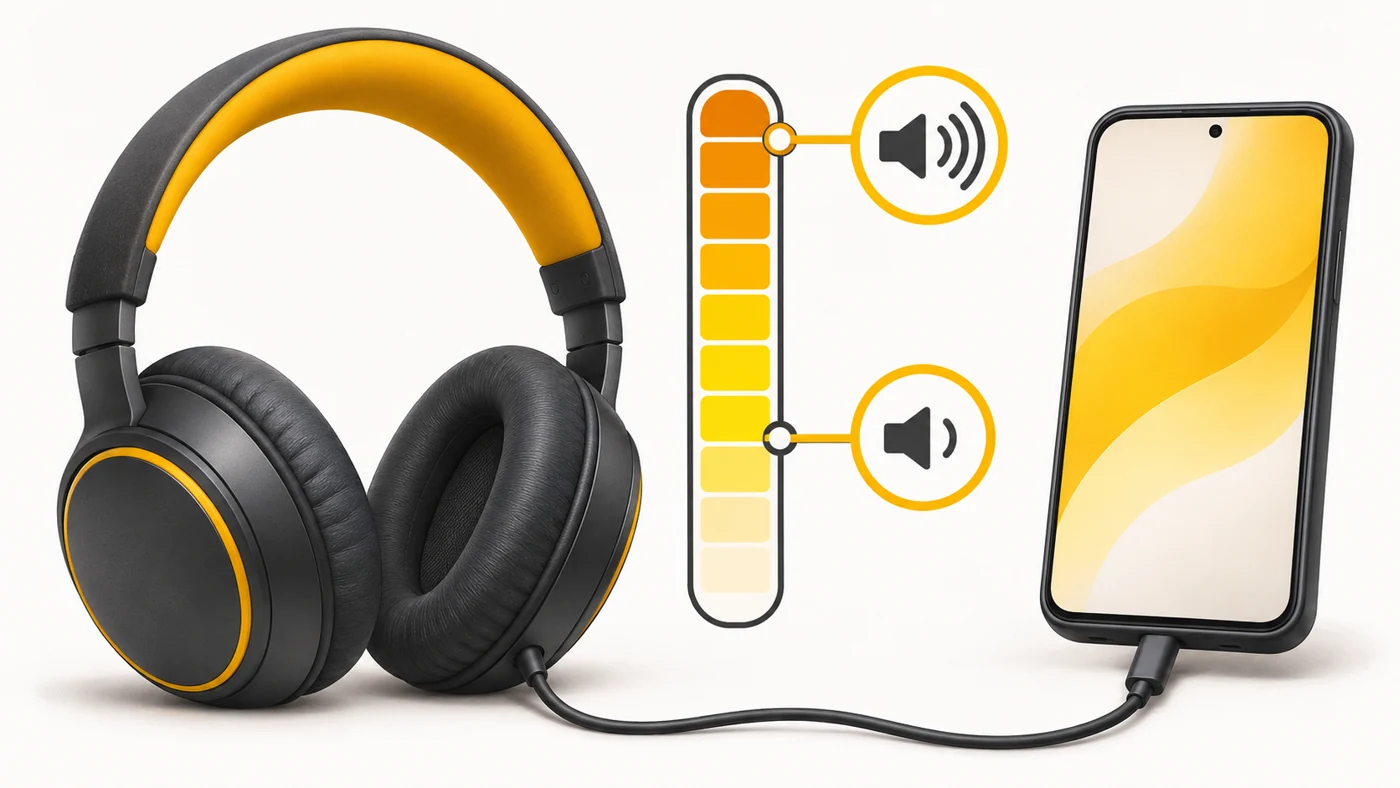
In plain words
SAR is like the maximum volume rating on headphones: it shows the highest value under the worst test conditions. Everyday use is usually much "quieter", because the phone lowers its power when the signal is good.
How it works
- The phone is tested in a lab next to a model of a head and body.
- Energy absorption is measured at maximum transmitter power.
- The result is compared with limits - in the EU, 2 W/kg for the head and body (averaged over 10 g of tissue).
- In real life the phone runs at lower power when the signal is good.
- SAR values are listed in the documentation and on the manufacturer's website.

Where you'll see it
The SAR value is in the manual, on the manufacturer's website, in settings (About phone - Legal information) and in some spec sheets. On some phones you can also dial *#07#.
Does it matter when buying
All legally sold phones meet the limits. If you want to reduce exposure further, use earphones or speakerphone for long calls and do not keep the phone against your body when the signal is weak or during downloads. I would not compare phones by SAR when choosing one.
Myths
- Myth: A lower SAR makes a phone many times safer. Reality: All values are within the limits; the real-life differences are small.
- Myth: SAR shows constant emission. Reality: It is the maximum under the worst test conditions.
FAQ
How do I find my phone's SAR?
In settings under Legal information, on the manufacturer's website, or by dialling *#07#.
What is the SAR limit in the EU?
2 W/kg for the head and torso.
When does a phone emit the most?
When the signal is weak - in a basement or out in the countryside, for example.