
Sleep tracking: how a watch knows when you are in deep sleep
Sleep tracking is a feature of watches, bands and rings that estimates sleep duration, stages (light, deep, REM), awakenings and rest quality from movement, heart rate, HRV, breathing and sometimes SpO2 and temperature.
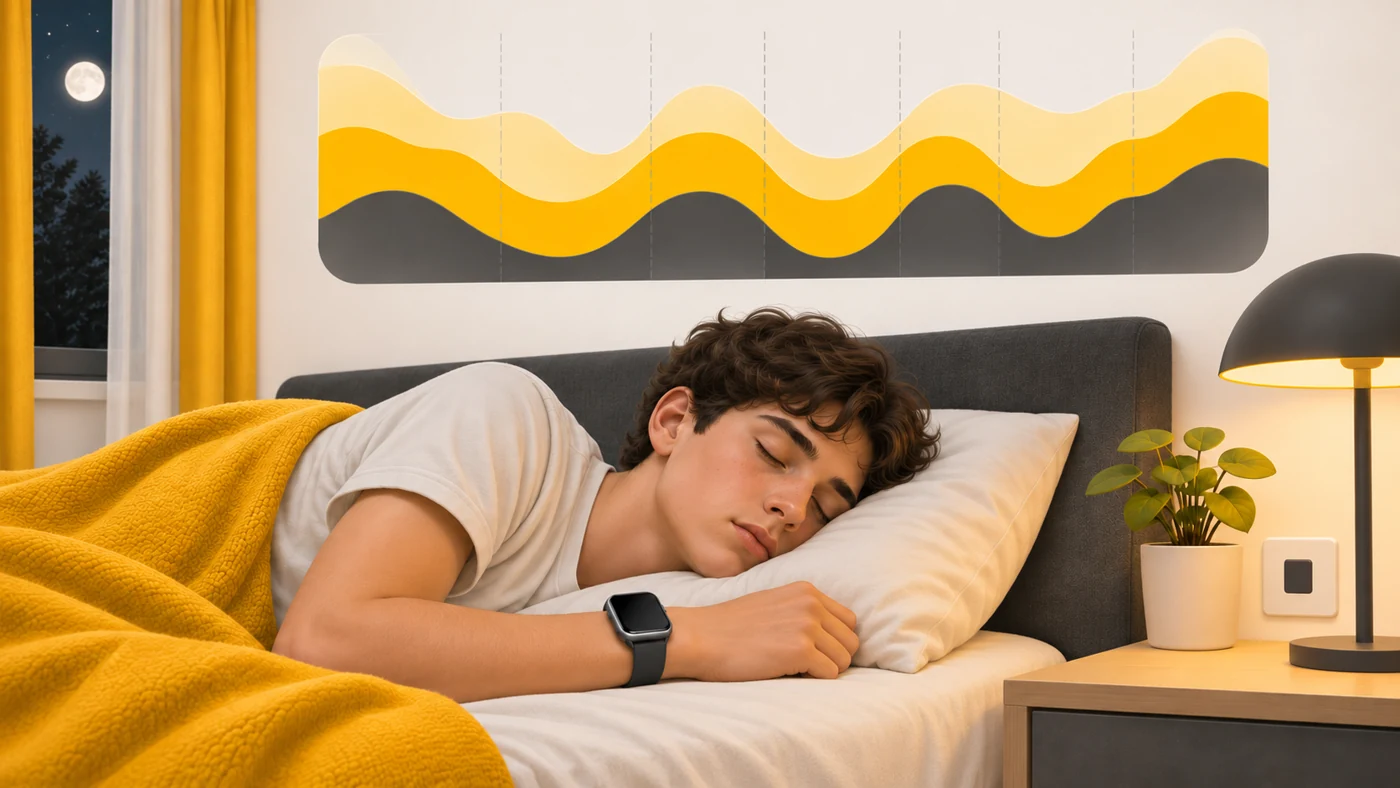
In plain words
Imagine an attentive friend watching over you at night, but with their eyes closed: they can only feel how you move and how your heart beats. From that they guess quite well when you are sleeping deeply and when you are nearly awake. Not perfect, like a doctor in a sleep lab, but fine for a daily overview.
How it works
- The accelerometer records movement - whether you fell asleep or are tossing and turning.
- Heart rate and HRV change in different sleep stages.
- Breathing rate and SpO2 complete the picture.
- An algorithm trained on sleep lab data estimates the stages.
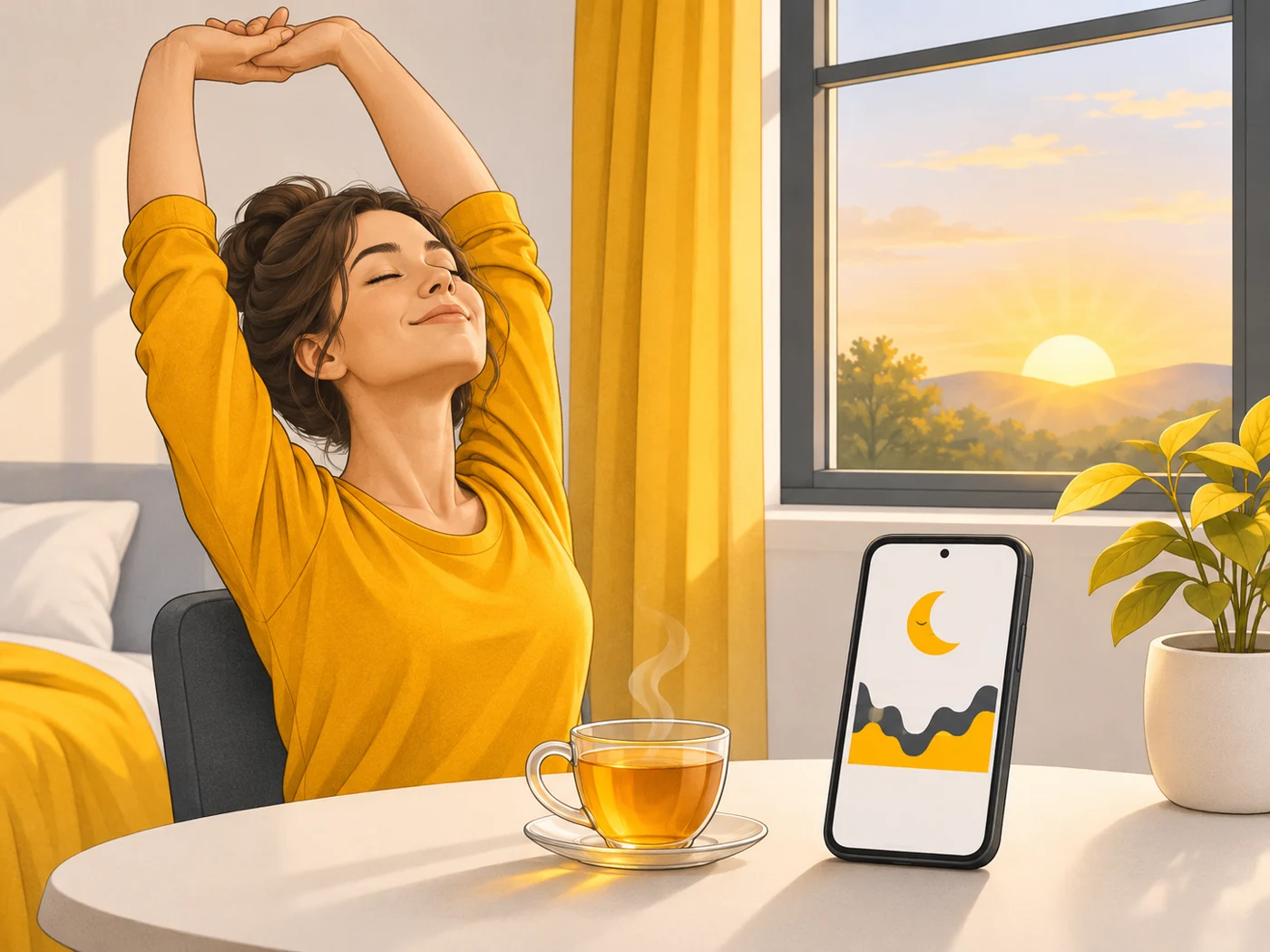
- In the morning you see a chart and a sleep score.
Where you'll see it
Almost all smartwatches, fitness bands and smart rings (Oura, Samsung Galaxy Ring). There are also under-mattress sensors and phone apps that listen to sound and movement.
Does it matter when buying
Yes, if you want to improve your routine: a watch clearly shows how late gaming, coffee or your phone before bed affect your sleep. But do not treat the stages as an exact medical diagnosis. For teenagers, sleep is especially important - 8-10 hours - and a tracker helps you see whether you get it.
Myths
- Myth: A watch accurately identifies every sleep stage. Reality: It estimates stages with some error; total duration and regularity are more accurate.
- Myth: A poor sleep score is a reason to worry. Reality: One night says little; look at trends and how you feel.
FAQ
Is it harmful to sleep with a watch on?
No, but some people find it uncomfortable; you can loosen the strap.
Can it detect sleep apnoea?
Some watches have a possible-apnoea alert, but only a doctor can diagnose it.
Why does my watch say I was awake when I was asleep?
If you lie still without sleeping or sleep restlessly, the algorithm can get it wrong.
Related terms
Heart rate variability (HRV), SpO2 (blood oxygen), Optical heart rate sensor