
Heart rate variability (HRV): what it says about stress and recovery
Heart rate variability (HRV) is how much the intervals between heartbeats vary. Higher HRV usually means better recovery and less stress; lower HRV can mean fatigue, illness or overload.
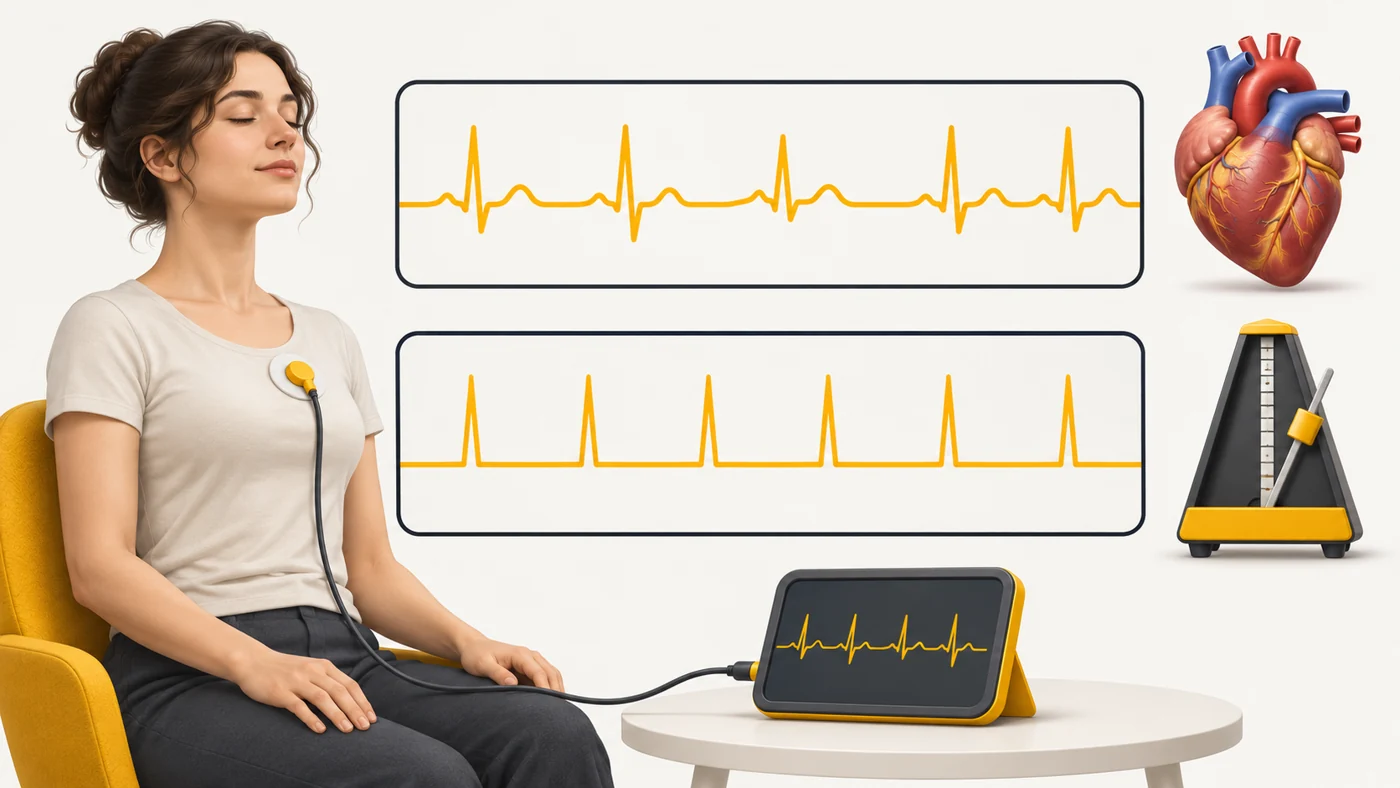
In plain words
A healthy heart does not beat like a metronome but like a good musician: a little faster on the in-breath, a little slower on the out-breath. That "living" flexibility is HRV. When you are tired, ill or stressed, the heart becomes "stiffer", like a musician playing mechanically under pressure - and HRV drops.
How it works
- The watch records the time between consecutive heartbeats to the millisecond.
- It calculates how much these intervals differ.
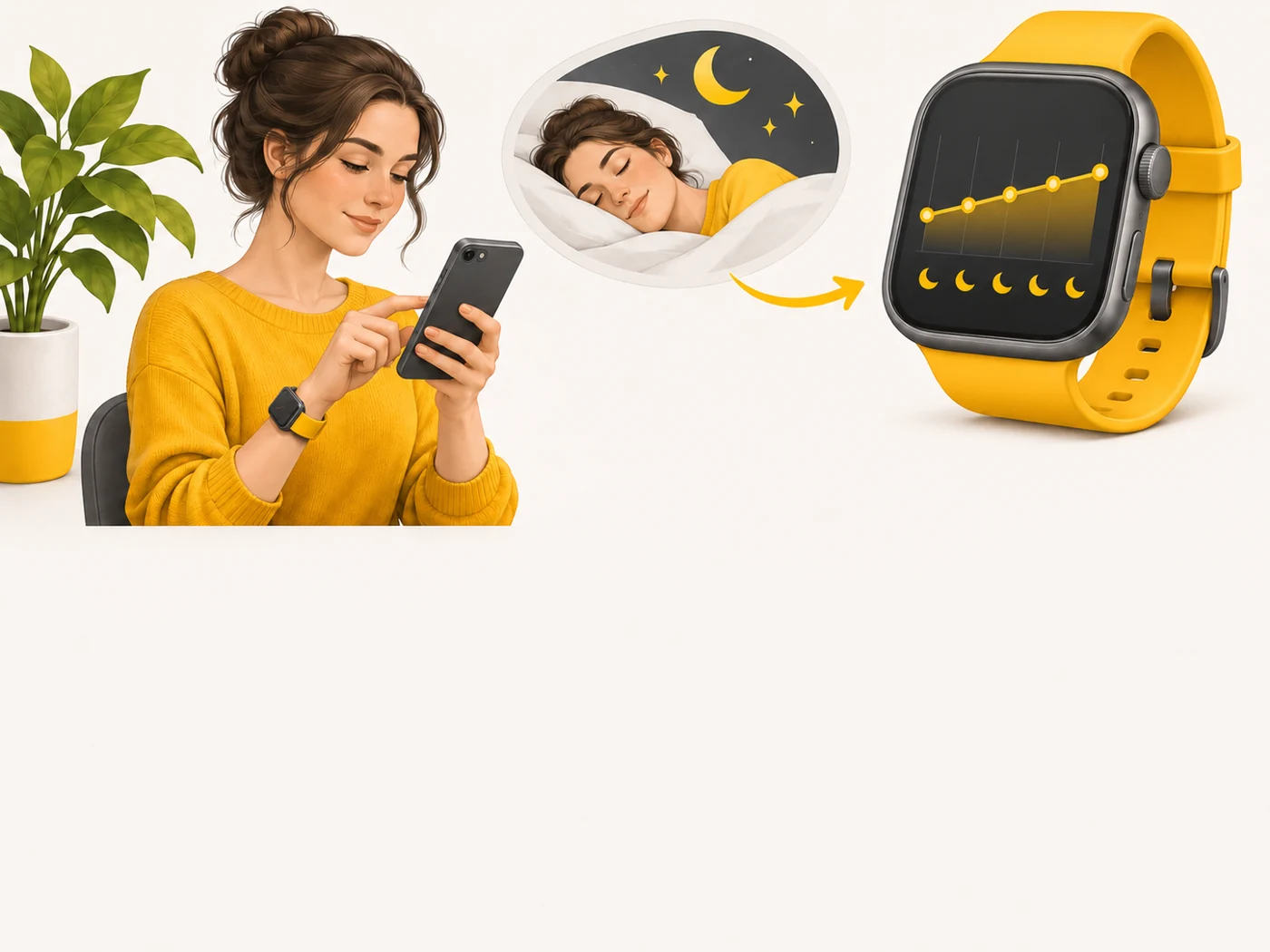
- The most accurate measurement is at night, during sleep, at rest.
- The watch compares your values with your own baseline over several weeks.
- Recovery, stress and training readiness scores are built on HRV.
Where you'll see it
HRV is shown by Garmin watches (HRV Status), Apple Watch (in Health), Samsung, Polar, Whoop, Oura and others. Features like Body Battery, Training Readiness and Stress Level are based on it.
Does it matter when buying
If you train regularly, HRV helps you avoid overtraining. But here is the key rule: compare your HRV only with yourself, not with friends - everyone's normal is different. And look at trends over weeks, not one night after a party.
Myths
- Myth: A friend with higher HRV is healthier. Reality: HRV is highly individual; comparing it between people is not meaningful.
- Myth: HRV is the same as resting heart rate. Reality: They are different metrics, although both reflect recovery.
FAQ
What is a normal HRV?
It is individual - go by your own range, which the watch works out over several weeks.
What lowers HRV?
Lack of sleep, alcohol, illness, intense training and stress.
Can I raise my HRV?
Regular sleep, moderate exercise, rest and less stress all help.
Related terms
Sleep tracking, Optical heart rate sensor, VO2 max, ECG on a watch