
VO2 max: what this endurance metric is and how a watch calculates it
VO2 max (maximal oxygen uptake) is the maximum amount of oxygen your body can use per minute per kilogram of body weight during intense exercise. It is one of the main measures of aerobic endurance.
In plain words
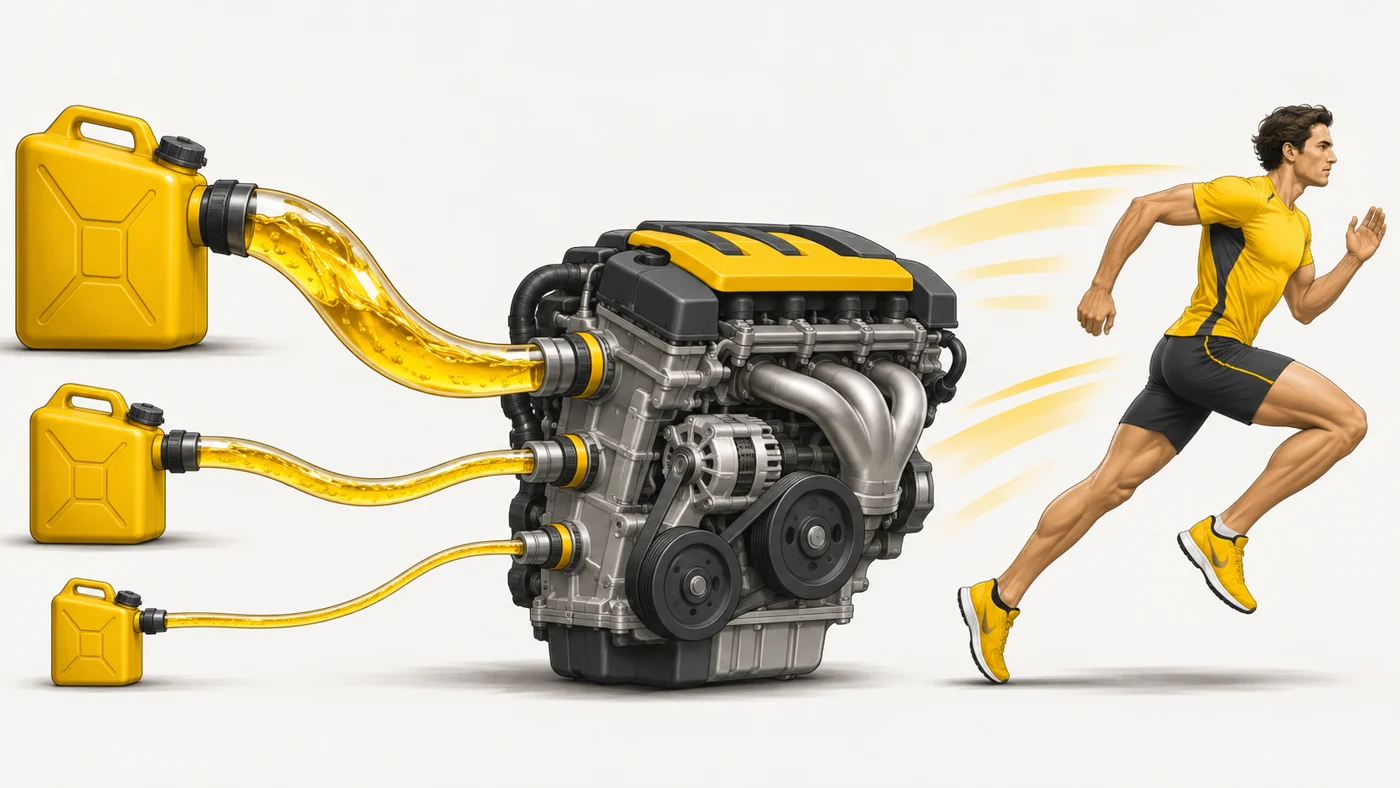
Imagine your muscles are an engine and oxygen is the fuel. VO2 max is like the width of the fuel hose: the wider it is, the more fuel the engine gets at full throttle and the longer you can run fast. Training gradually "widens the hose".
How it works
- In a lab, VO2 max is measured with a mask during a test to exhaustion.
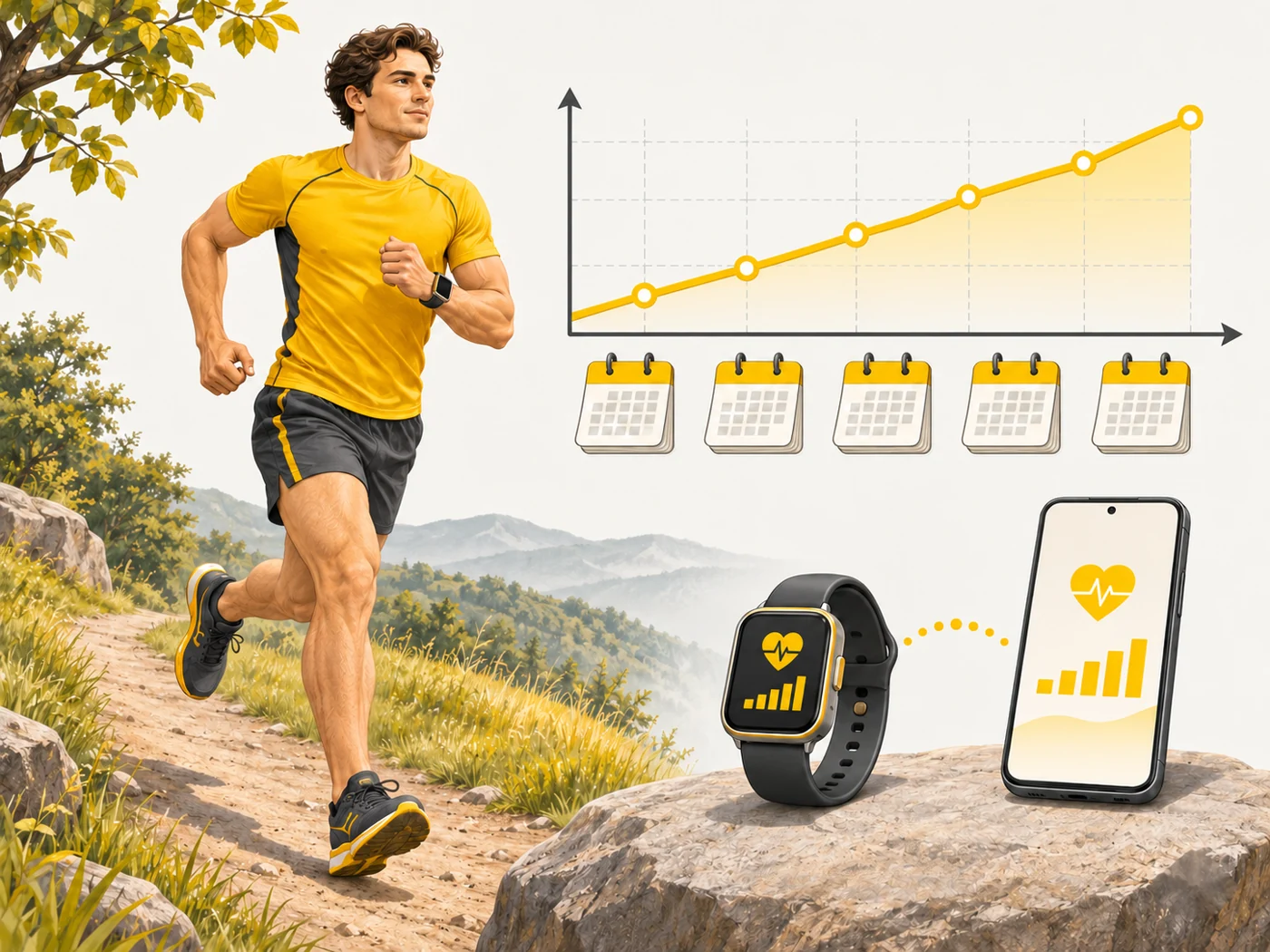
- A watch estimates it indirectly from heart rate, pace and power during workouts.
- Estimates need runs or rides with GPS or a power meter.
- An algorithm compares how fast you move at a given heart rate.
- The value updates over time and shows how your fitness is changing.
Where you'll see it
VO2 max estimates are shown by Garmin, Apple Watch (Cardio Fitness), Polar, Coros, Huawei, Amazfit and Samsung watches. They are used to predict race times and compare you with age-based norms.
Does it matter when buying
For runners and cyclists it is a useful measure of progress. But it is an estimate with some error: accuracy depends on a correct maximum heart rate, sensor quality and conditions (heat, hills). Look at changes over months rather than the exact number.
Myths
- Myth: A watch measures VO2 max just like a lab. Reality: It is an estimate, not a direct measurement.
- Myth: VO2 max tells you everything about your fitness. Reality: Lactate threshold, running economy, strength and recovery matter too.
FAQ
How can I raise my VO2 max?
Regular aerobic training plus high-intensity interval training.
Why did my VO2 max drop after a hot workout?
Heart rate is higher in the heat, and the algorithm may underestimate.
Do I need a chest strap?
It improves accuracy, especially for intervals.
Related terms
Optical heart rate sensor, Heart rate variability (HRV), Dual-band GPS (L1 + L5)