
LTPS: the transistor technology in phone screens
LTPS (low-temperature polycrystalline silicon) is a thin-film transistor technology that controls the pixels in screens. It gives high electron mobility, so pixels can be tiny and the screen bright and power-efficient.

In plain words
Each pixel has its own "doorman" - a transistor that opens and closes the door for current. LTPS is like fast, nimble doormen: they work so quickly they can be made tiny and packed very closely. LTPO uses the same doormen, but some of them can also hold the door for a long time effortlessly - to save power.
How it works
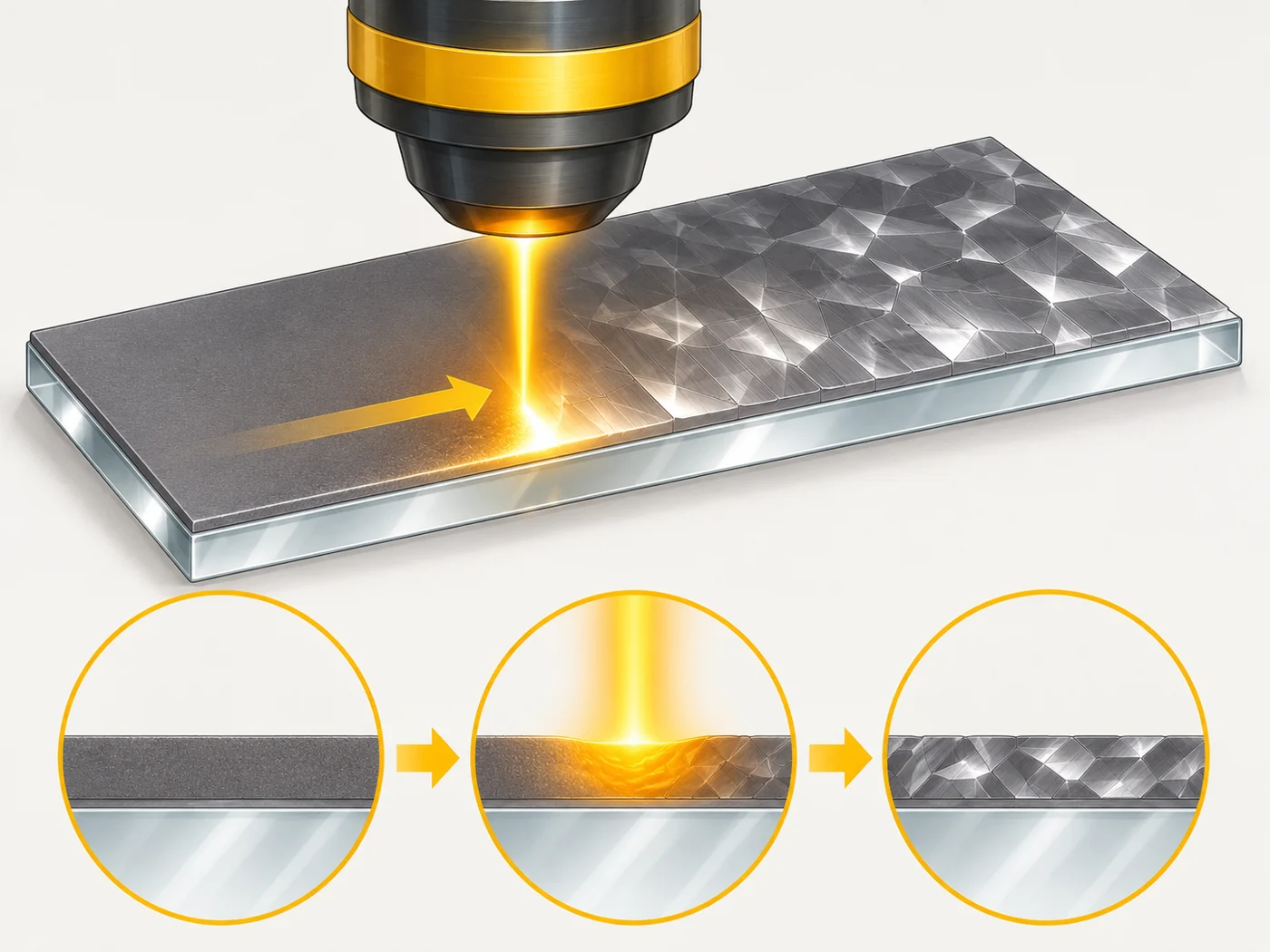
- A thin layer of silicon is deposited on a glass or plastic substrate.
- A laser turns it into polycrystalline silicon at a relatively low temperature.
- Transistors that control the pixels are made from it.
- High electron mobility means fast switching and small pixels.
- LTPO combines LTPS with oxide transistors for variable refresh rates down to 1 Hz.
Where you'll see it
LTPS is used in most phone OLED screens and in good IPS LCDs (labelled "LTPS LCD"). Specs say "LTPS IPS", "LTPS OLED" or "LTPO".
Does it matter when buying
It rarely affects your choice directly: screen type, brightness and refresh rate matter more. But if you see LTPO instead of LTPS, that is a plus for battery life at 120 Hz.
Myths
- Myth: LTPS is a separate type of screen. Reality: It is a transistor technology in the backplane of an LCD or OLED.
- Myth: LTPS and LTPO are the same. Reality: LTPO is an evolution of LTPS with oxide transistors for variable refresh rates.
FAQ
Why is LTPS better than amorphous silicon?
Faster transistors and the ability to make smaller pixels.
What is an LTPS LCD?
A liquid crystal screen with LTPS transistors - usually a good IPS panel.
Do watches use LTPS?
Yes, and many use LTPO for always-on displays.