
TFT: the thin-film transistors behind modern screens
TFT (thin-film transistor) is a technology of microscopic transistors deposited as a thin film on glass, which control each pixel of a display. It underpins almost all active-matrix LCD and OLED screens.
In plain words
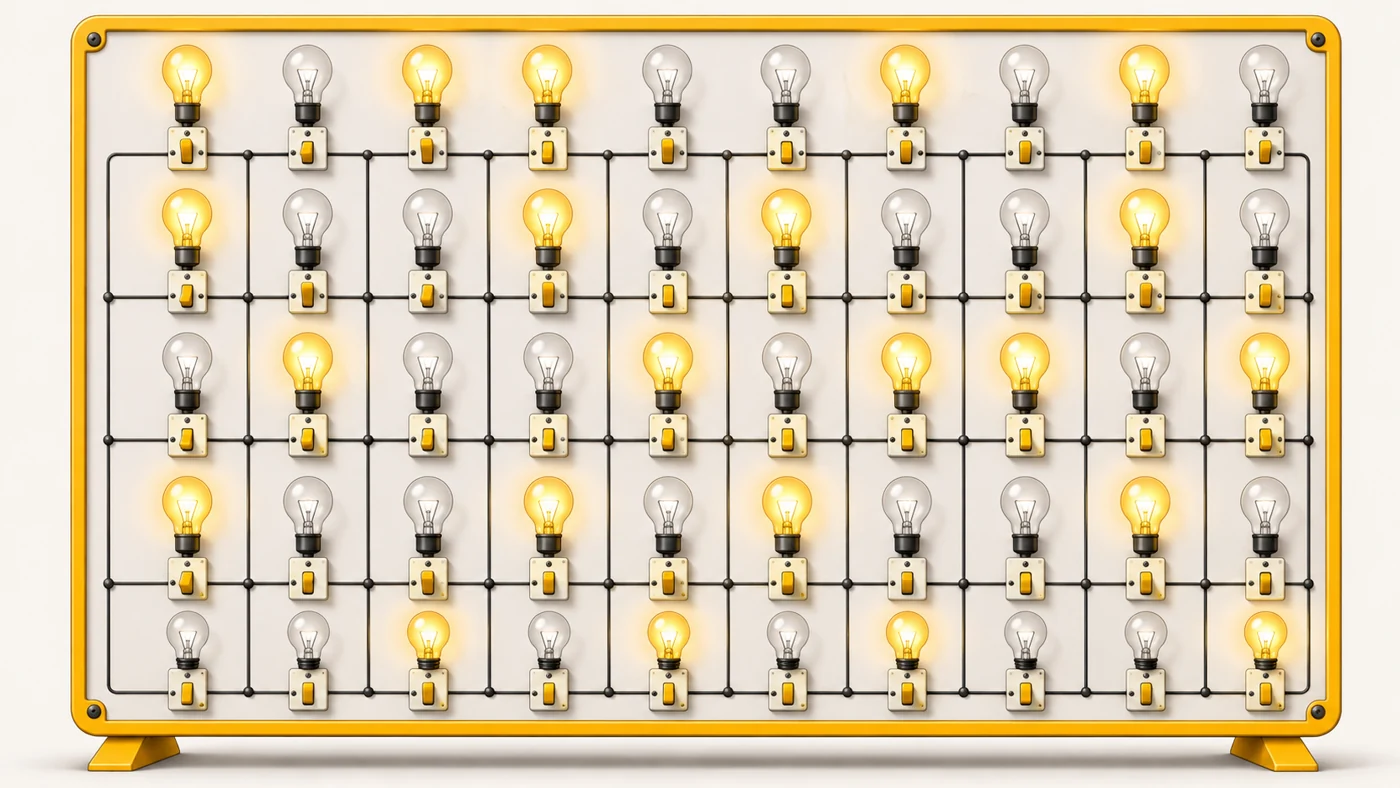
TFT is like a system of switches where every bulb on a huge scoreboard has its own microscopic switch. Without them, whole rows would have to be switched on together and the picture would flicker. With TFT, each pixel is controlled separately and precisely.
How it works
- Thin layers of semiconductor and metal are deposited on glass.
- A transistor is formed from them for each subpixel.
- The transistor switches the pixel and holds its state between refreshes.
- The semiconductor type - amorphous silicon, LTPS or oxides - sets the speed.
- Above the TFT layer sit liquid crystals (LCD) or organic LEDs (OLED).
Where you'll see it
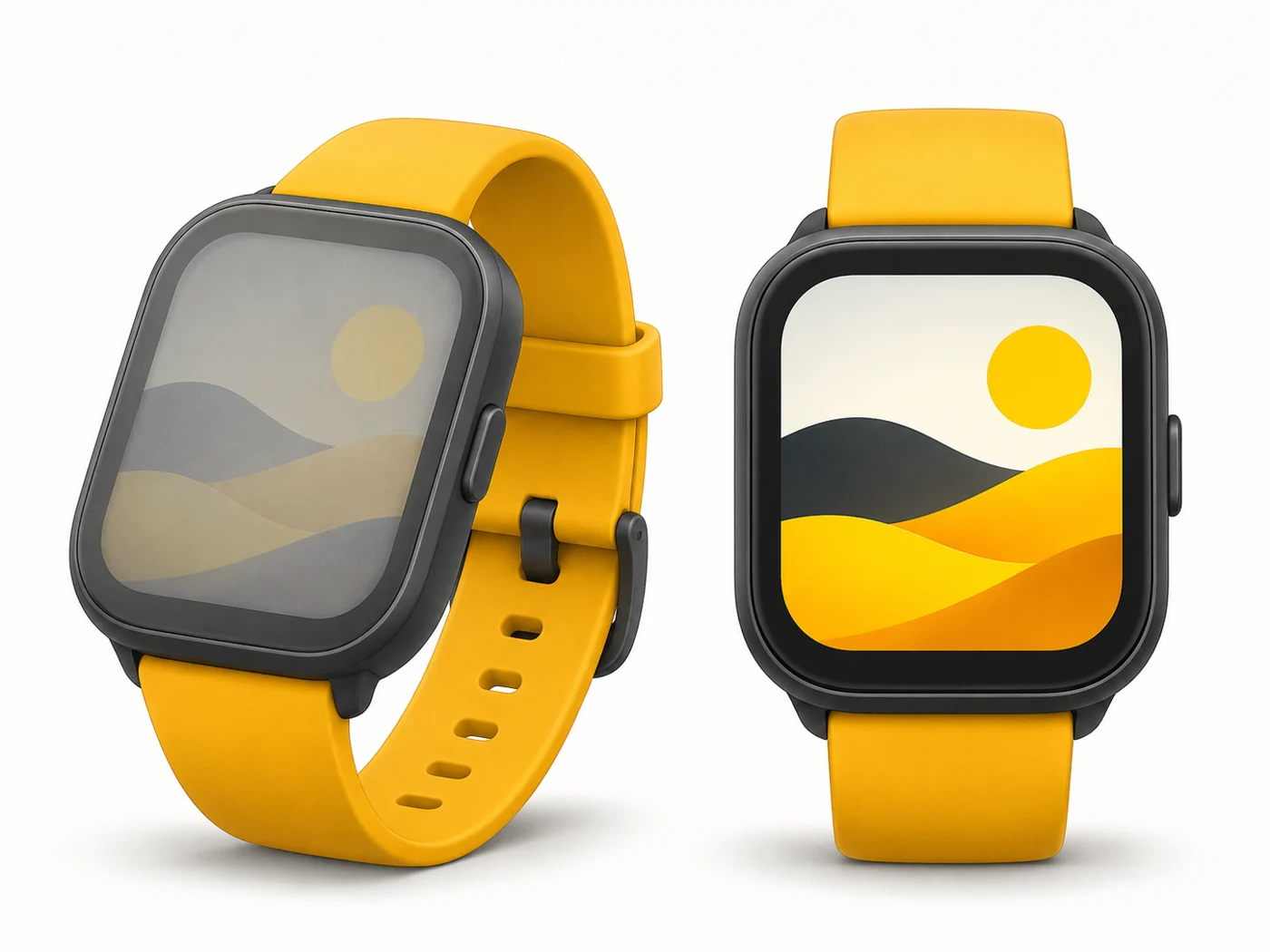
In almost every screen. But in specs, "TFT" usually labels the basic LCD screens of budget watches, phones, cameras and gadgets - and then it means an LCD without IPS technology, with poorer viewing angles.
Does it matter when buying
If the specs of a budget watch or phone just say "TFT", expect a simpler screen than IPS or AMOLED: duller colours and worse viewing angles. For a cheap fitness band, that is acceptable.
Myths
- Myth: TFT is a separate type of screen, like OLED. Reality: It is a transistor technology; "TFT screen" in adverts usually means a basic LCD.
- Myth: A TFT screen is always bad. Reality: IPS and OLED use TFTs too; what matters is the panel type.
FAQ
How is TFT different from IPS?
IPS is a type of LCD with better viewing angles, also built on TFTs.
Why do watches say TFT?
It is how simple, cheap LCD screens are labelled.
Does OLED have TFTs?
Yes, active-matrix OLEDs also have a TFT layer.
Related terms
LCD, IPS, LTPS, Active matrix