
OLED screen: why every pixel lights up on its own
OLED (organic light-emitting diode) is a display technology in which every pixel lights up by itself thanks to organic materials. No separate backlight is needed, so OLED can be thin, flexible and have perfect blacks.
In plain words
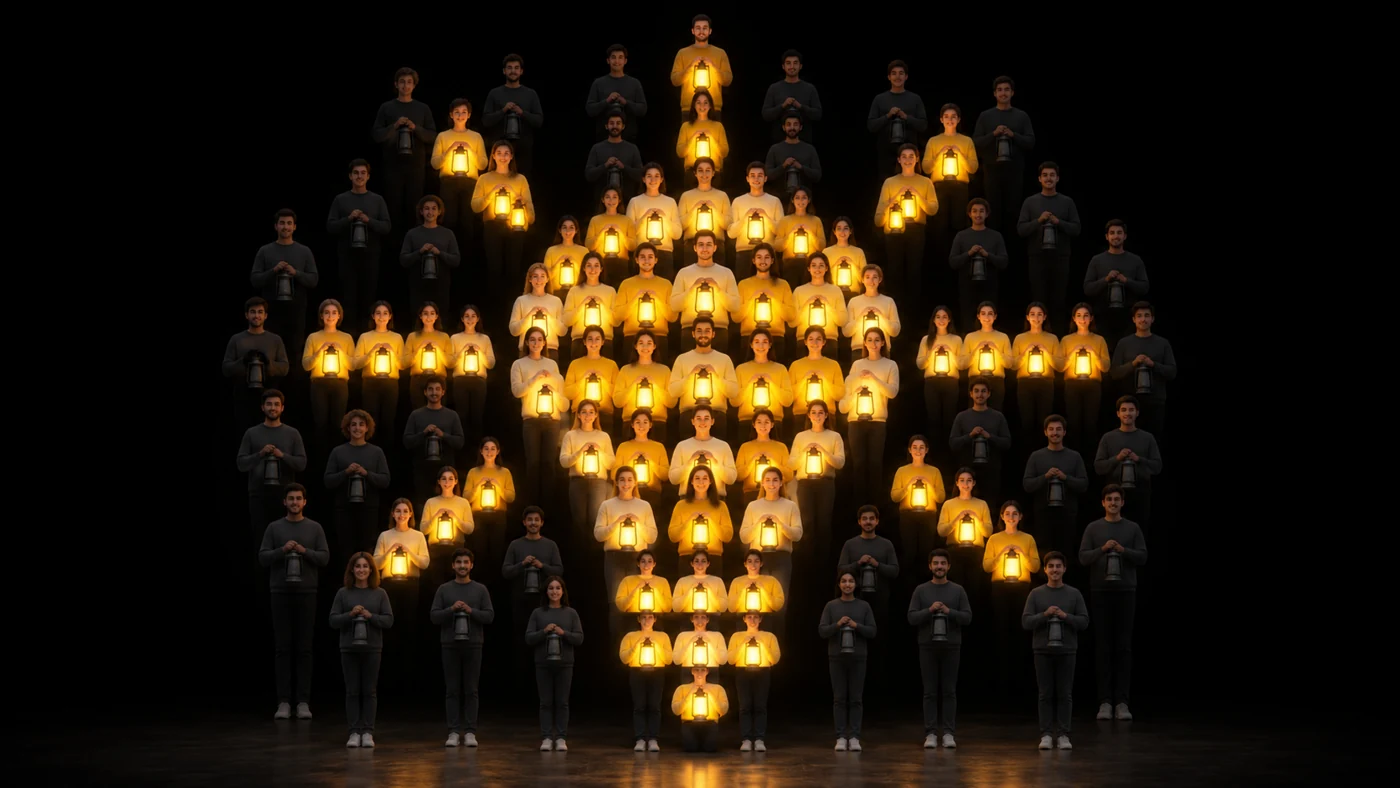
LCD is like a theatre where the whole stage is lit by one big spotlight and the actors try to "block" the extra light. OLED is like a theatre where every actor holds their own torch: whoever is needed shines, and the rest stand in the dark. That is why OLED contrast is the highest possible.
How it works
- Thin layers of organic materials sit between two electrodes.
- When current flows through them, they glow.
- Each subpixel (red, green, blue) is controlled separately.
- With no current, the pixel does not light up - hence true black.
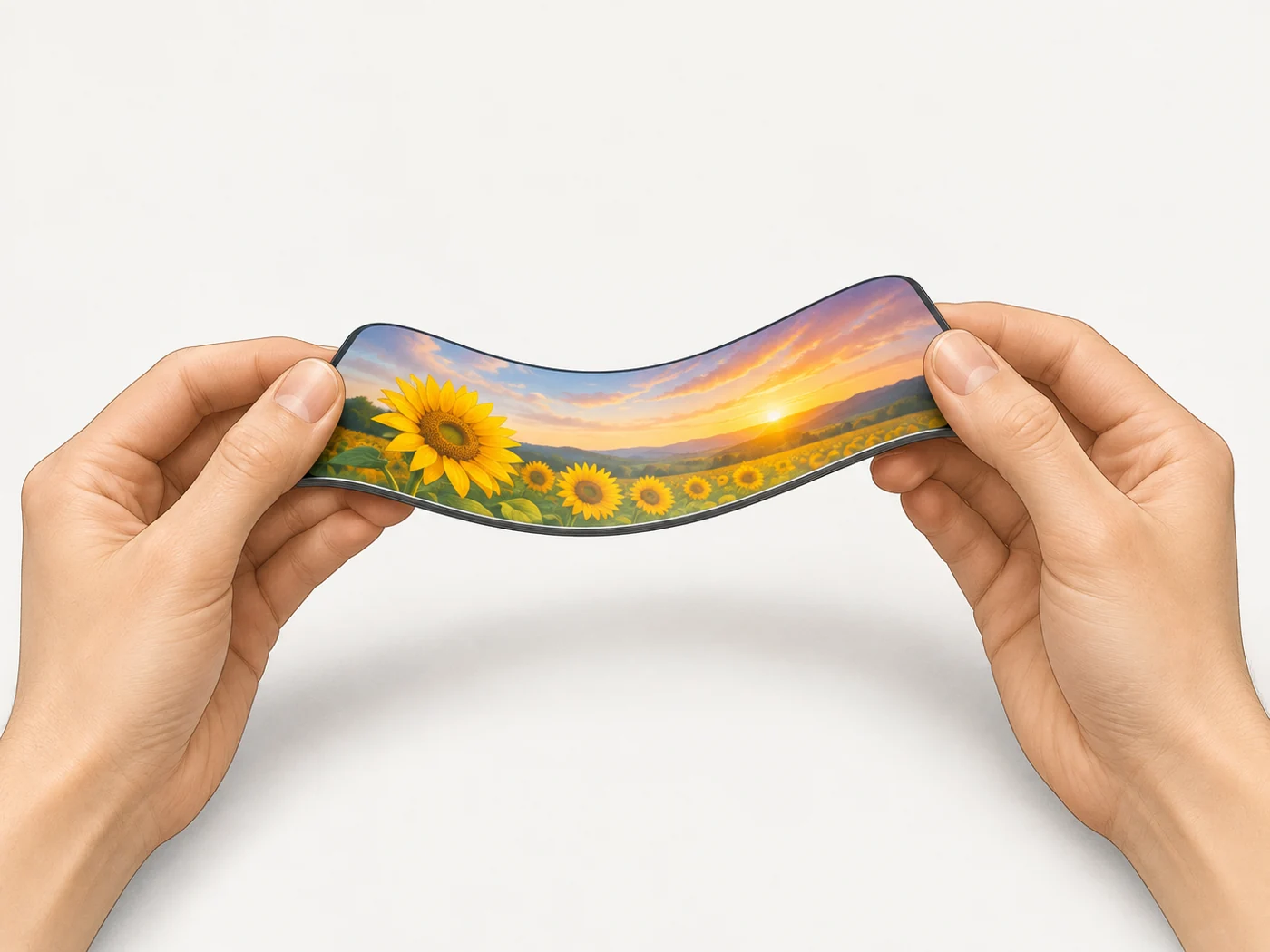
- OLED can be built on a flexible base for foldable phones and curved screens.
Where you'll see it
OLED is used in most flagship and many mid-range phones (AMOLED, Super AMOLED, Dynamic AMOLED), watches, tablets (iPad Pro uses Tandem OLED), laptops, TVs and game consoles. In our comparisons, the Display row.
Does it matter when buying
For a phone, OLED is almost the standard: contrast, an always-on display and thin bezels. For a TV, it is excellent for films in the dark. Downsides: possible burn-in of static elements and PWM flicker at low brightness. Some people who work with text all day prefer IPS.
Myths
- Myth: OLED and an LED TV are the same thing. Reality: An "LED TV" is an LCD with an LED backlight, while OLED emits its own light.
- Myth: OLED is only for expensive devices. Reality: These days OLED shows up even in affordable phones.
FAQ
How is OLED different from AMOLED?
AMOLED is OLED with an active matrix; in phones they are effectively synonyms.
What is OLED burn-in?
A lingering trace of static elements that were shown on screen for years.
Why are OLED screens thinner?
They do not need a backlight layer.
Related terms
AMOLED, Tandem OLED, LTPO, PWM flicker and DC dimming, Foldable display