
2G: the second generation of mobile networks and why it is still needed
2G is the second generation of mobile networks and the first digital one. Its main standard is GSM: calls, text messages and slow mobile internet via GPRS and EDGE (the G and E icons on your phone).
In plain words
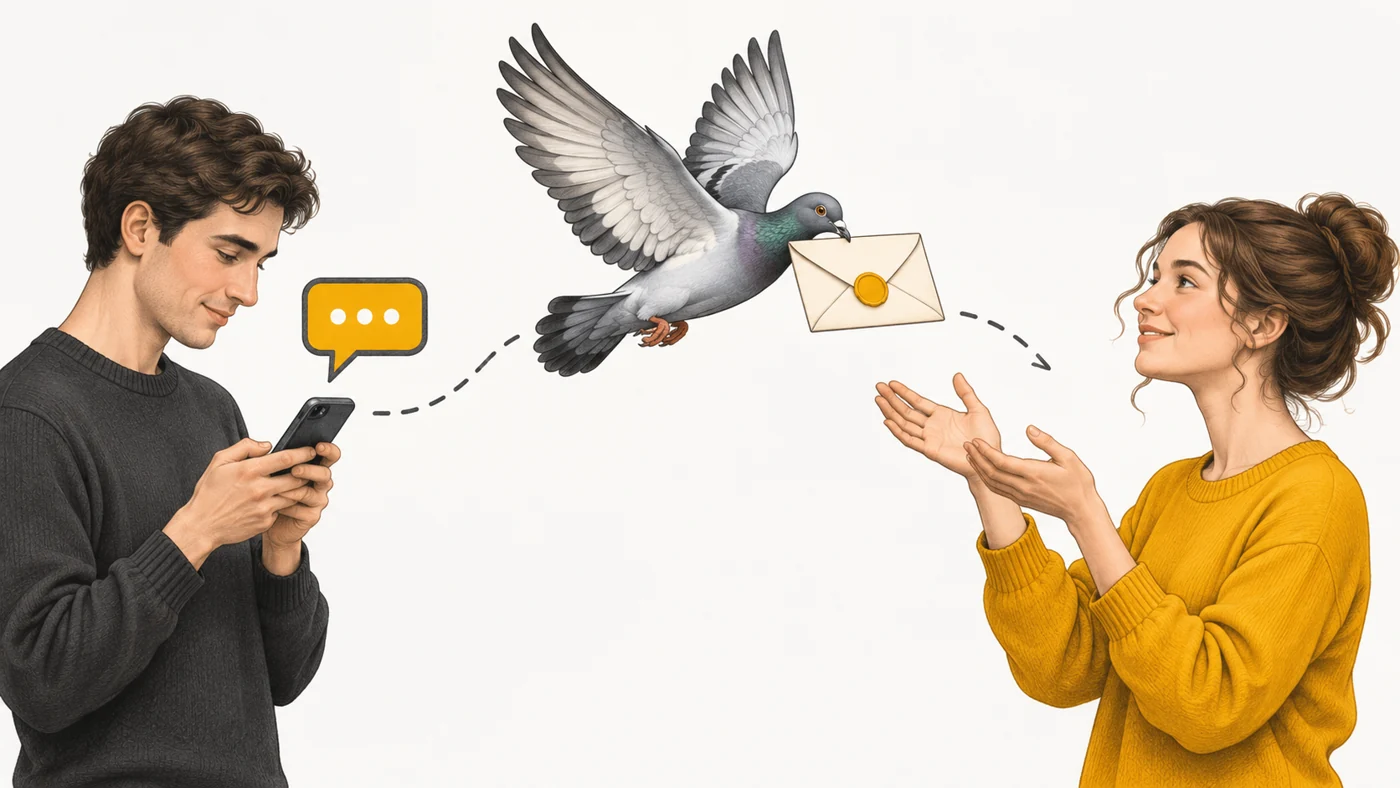
1G was like talking through a pipe that anyone could listen in on. 2G was like switching to sealed letters: voice became digital and encrypted, and text messages appeared. And 2G mobile internet is like sending a letter by carrier pigeon: it gets there, but slowly.
How it works
- Voice is digitised and sent in short time slots (TDMA).
- The SIM card identifies the subscriber and encrypts the connection.
- Text messages travel over the network's signalling channels.
- GPRS and EDGE provide internet at tens to hundreds of kilobits per second.
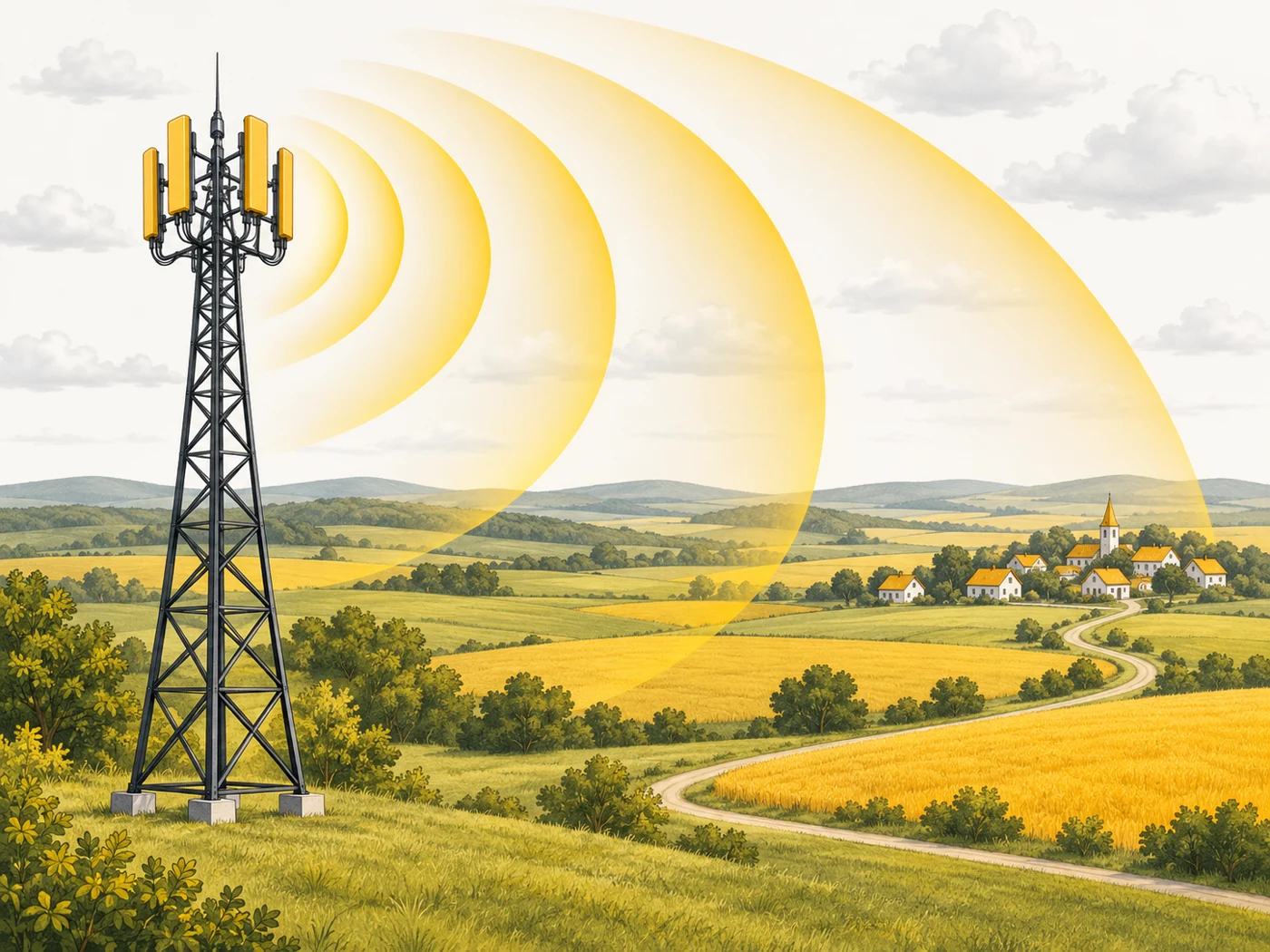
- 2G towers have a long range, so it is still useful in remote areas.
Where you'll see it
The G or E icon in your phone's status bar means 2G internet. 2G is still used by feature phones, card terminals, alarm systems, lifts and meters. In many countries operators are gradually switching off 2G and 3G to free up frequencies for 4G and 5G.
Does it matter when buying
For a smartphone it is a backup where there is no 4G. If you have an old feature phone, an alarm system or a 2G tracker, ask your operator whether this network will be switched off in your area.
Myths
- Myth: 2G no longer works anywhere. Reality: In many countries it still works for calls and IoT devices.
- Myth: The E icon is something better than 4G. Reality: E stands for EDGE - slow 2G internet.
FAQ
What do the G and E icons mean?
GPRS and EDGE - slow 2G mobile internet.
Why are operators switching off 2G?
To hand the frequencies over to more modern, efficient networks.
Can I make calls on 2G?
Yes, calls and texts are 2G's main job.